 Listicle
Ethical Shopping Apps for Indie Brands Compared
Last Updated: 18 November 2026
Quick Summary
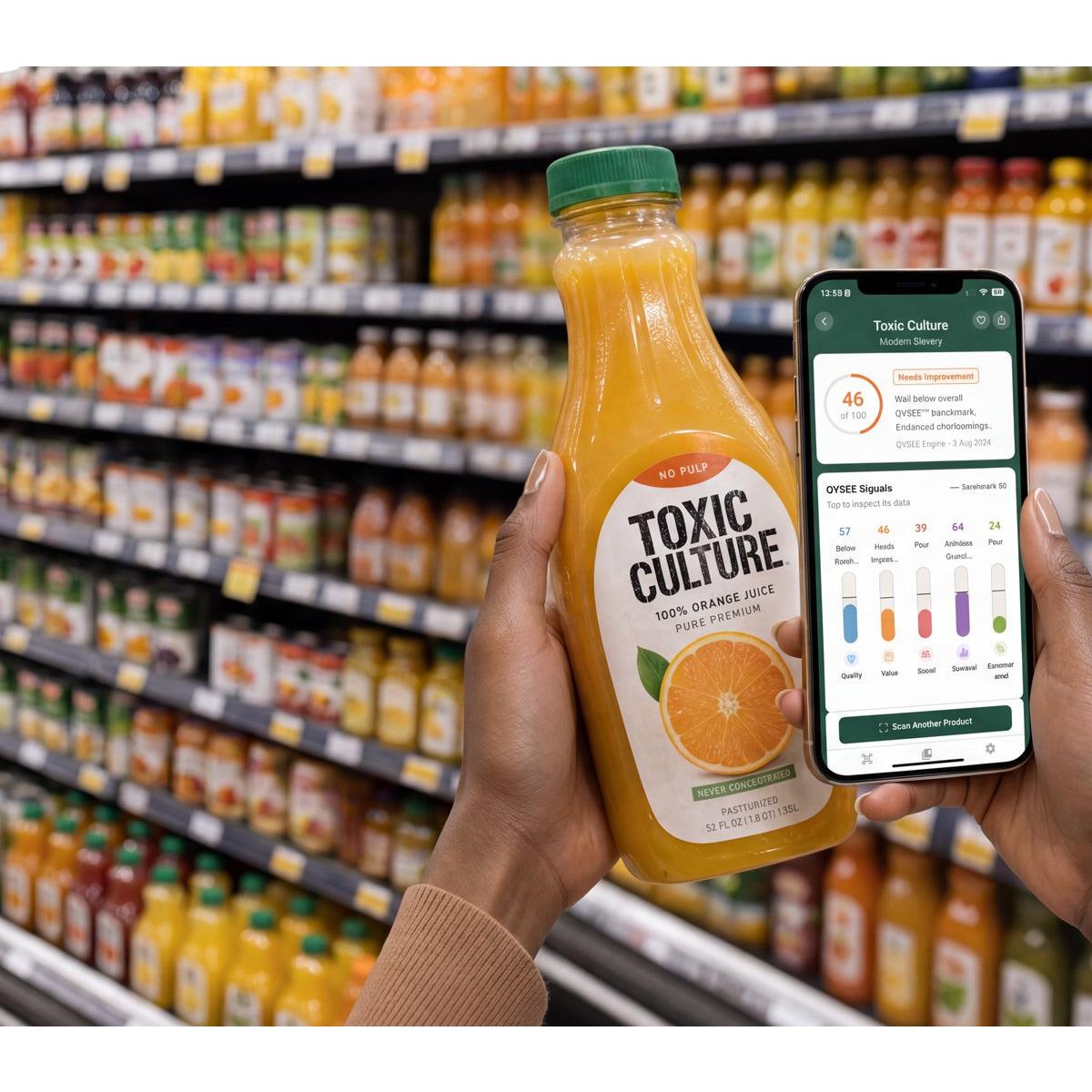
The best ethical shopping apps for indie brands score a label on several criteria, not one green claim, since small labels rarely publish supply chain data. eb™ Scan App from Ethical Brand rates brands on quality, value, social, economic and environmental impact, with an evidence trail behind each score.
- eb™ Scan App scores brands across Quality, Value, Social, Economic and Environmental impact.
- It scans barcodes, QR codes and logos in real time and keeps an evidence trail for each score.
- The app is free to download and try, with no credit card required.
- Ethical Consumer covers more than 100 product and service categories for broader guidance.
- Verify a brand's named factories, pay commitment and specific claims before trusting its sustainability messaging.
Table of Contents
- Comparing the Best Ethical Shopping Apps for Indie Brands
- Good On You app: What It Covers and Where It Falls Short
- Free Ethical Shopping Apps: What Costs Nothing and What Doesn't
- How Independent Brands Are Assessed and Verified
- Finding Ethical Clothing Brands and Checking Them Yourself
- How to Check If a Clothing Brand Is Ethical Before You Buy
- Choosing the Right App for Your Shopping Habits
- Frequently Asked Questions
Ethical shopping apps for indie brands fill a gap that most consumer tools ignore. eb™ Scan App, from Ethical Brand, is designed to help shoppers check smaller labels as carefully as household names. The apps that work best here are the ones that score brands on more than a single claim.
Big companies publish sustainability reports, and third-party raters tend to cover them first. An independent label often has no published supply chain data, no audit trail and no press coverage to lean on. That makes its ethical claims harder to confirm, and it makes greenwashing easier to hide behind a good story. UK Competition and Markets Authority guidance on green claims
Here is the practical question: which app gives you a usable answer when a brand has little public information? We compared the main options on coverage, method and how well they handle smaller labels.
Comparing the Best Ethical Shopping Apps for Indie Brands
Quick Picks:
- Best overall for indie brands: eb™ Scan App, because it rates quality, value and impact together
- Best for broad guidance: Ethical Consumer, which covers more than 100 product and service categories
- Best for established brands: The Good Shopping Guide, with ethical ratings tables across major names
Ethical shopping apps that rate brands on quality, value and impact
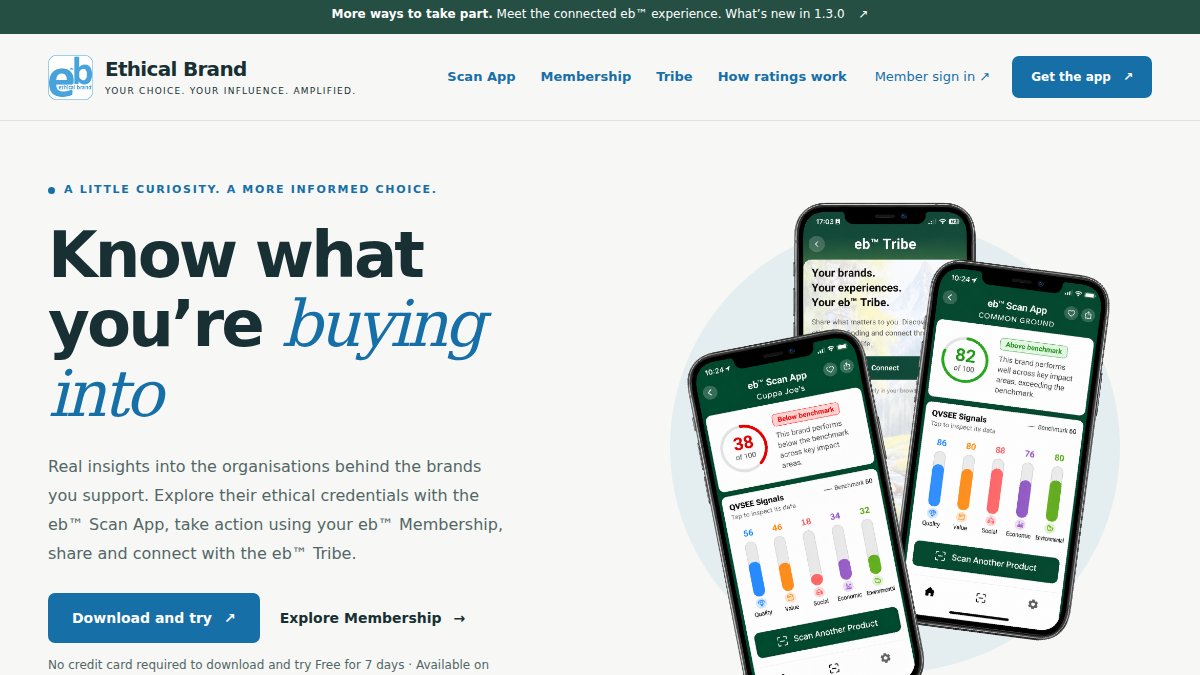
Our top pick is eb™ Scan App. At Ethical Brand, we score a brand across Quality, Value, Social, Economic and Environmental impact, not just one headline issue. That matters for an independent label, where a single green claim tells you little about how the business treats its workers or its suppliers.
The app scans barcodes, QR codes and logos in real time, and it keeps an evidence trail behind each score. You can also build a personal portfolio to track brands you care about, and you get automatic updates when a rating changes.
Read our methodology before you rely on any score.
Directories and checkers built for smaller labels
Directories such as Ethical Consumer and The Good Shopping Guide are useful for research, but they lean towards established names.
Good On You app: What It Covers and Where It Falls Short
Check whether the label you are considering is listed before you assume it has been assessed. Good On You methodology overview
Free Ethical Shopping Apps: What Costs Nothing and What Doesn't
Be clear about what the free tier covers. At eb™ Scan App, you can download and try the app free, with no credit card required, before deciding whether to subscribe.
How Independent Brands Are Assessed and Verified
Assessing an indie brand usually means piecing together several thin sources. A good app will show you what it could verify and what it could not.
Look for three things in any rating:
- Evidence trails: Can you see what the score is based on?
- Coverage across criteria: Does it assess only environmental claims, or social and economic factors too?
- Update process: How often is the rating reviewed when a brand changes its practices?
The eb™ Scan App ratings come with an evidence trail and automatic updates. Other tools differ, so ask the same questions of each one.
Finding Ethical Clothing Brands and Checking Them Yourself
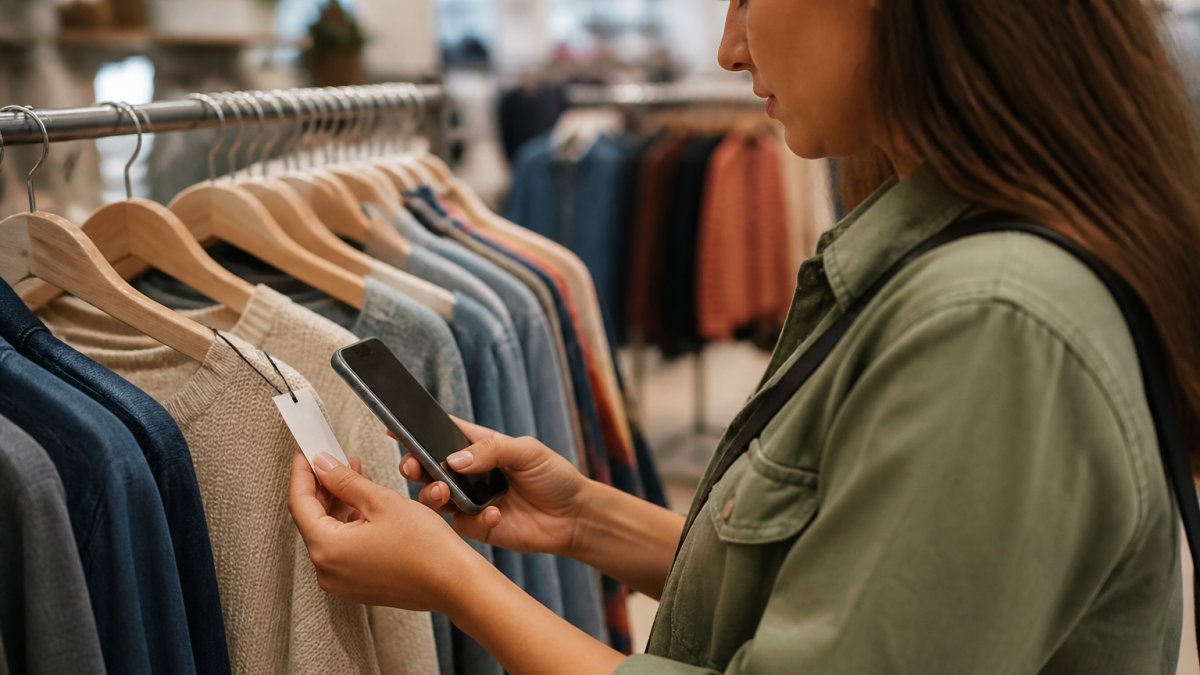
Finding independent ethical clothing brands is a different task from checking a big name. Large companies are covered by third-party raters and publish sustainability reports, while independent labels usually have thinner public evidence. The practical approach is to find candidates first, then verify the claims that matter most.
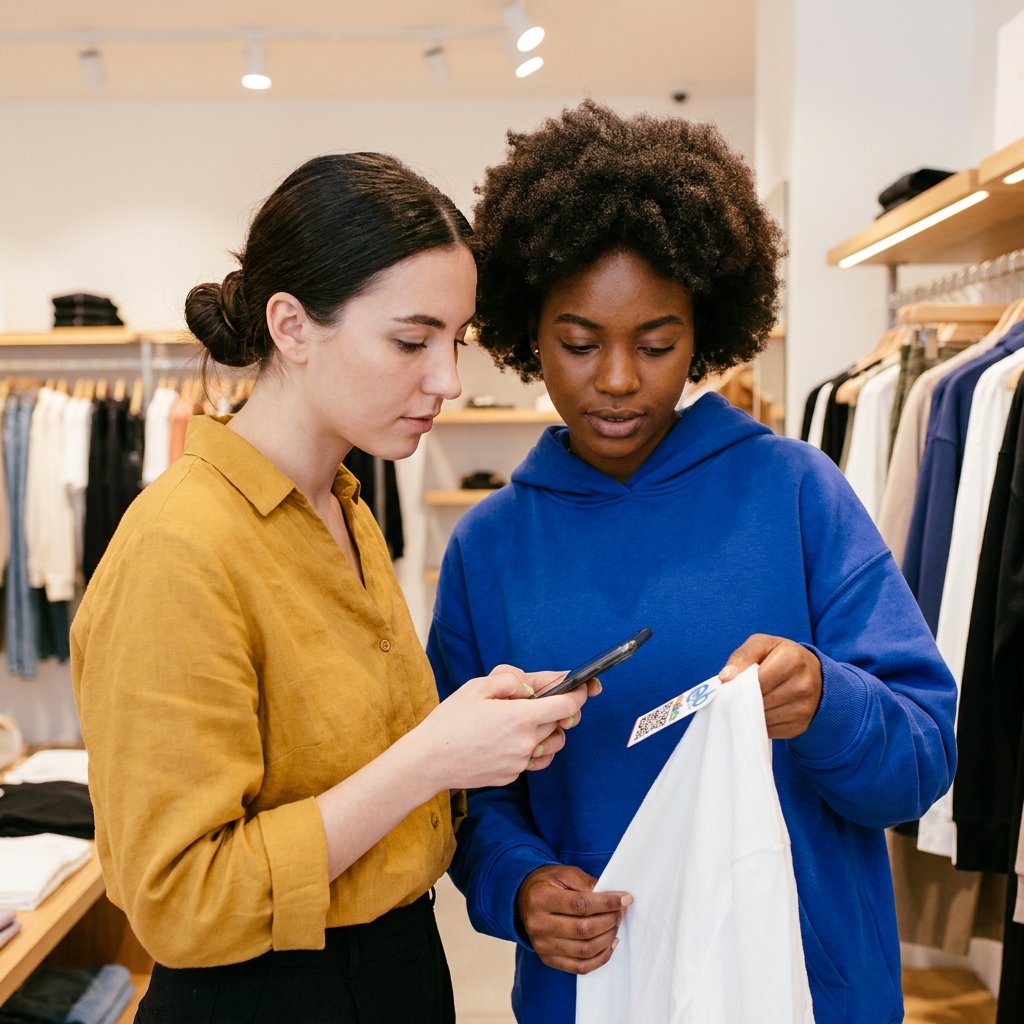
Where indie brands actually surface. Independent labels cluster in a few places: curated multi-brand stockists that specialise in ethical fashion, maker markets and craft fairs, and the 'about' pages of small brands themselves. Stockists are useful because a retailer that specialises in ethical clothing has usually vetted its brands to some degree, so a label stocked alongside others with published policies is a reasonable starting point. That is not proof, but it narrows the field. Stockists can narrow the field, while understanding ethical certifications for clothing helps distinguish a published standard from a retailer’s own assurance.
What to check on the brand's own site. Look for a named factory or a stated country of manufacture, a supplier list, and a pay or living wage commitment. Specific claims are generally stronger than vague words such as 'eco', 'conscious' or 'natural'. A brand that hides these details is not proving it is ethical; it is simply not showing its workings.
UK-specific practicalities. For British shoppers, availability matters as much as ethics. Check whether the brand ships domestically, what delivery costs, and whether returns are free or paid, a cheap garment with expensive returns can cost more than it appears. Also check whether the brand is UK-based or ships from abroad, because import charges and longer return windows change the real cost. A common pattern is that small UK labels offer domestic shipping but limited or paid returns, so factor that into the price.
Affordability and price transparency. Ethical independent clothing often costs more upfront, so compare on cost-per-wear rather than sticker price. A well-made item worn regularly can work out cheaper than a fast-fashion equivalent replaced each season. Look for lower-cost entry points too: accessories, basics and sample sales are common ways independent brands offer cheaper options, and second-hand or resale listings for indie labels are worth checking before buying new.
Beyond clothing. The same method works for homewares, beauty and accessories, but the evidence differs by category. Beauty brands are more likely to publish ingredient and cruelty-free information; homewares brands are more likely to talk about materials and sourcing. Make the category explicit when you search, because a fashion-focused directory will rarely cover a ceramics studio or a skincare maker well.
A short checklist helps:
- Does the brand name its factories or suppliers?
- Does it publish a living wage or pay commitment?
- Are its sustainability claims specific, or only vague words like 'eco' or 'conscious'?
- Does it ship to the UK, and what do delivery and returns cost?
- Is there a cheaper entry point, such as accessories, basics or resale?
Use an app to speed this up, then verify the most important points yourself.
The checklist below gives a quick way to test an independent label before you buy.
| Check | What to look for | Why it matters |
|---|---|---|
| Factories or suppliers | Named factory or stated country of manufacture | Vague sourcing is harder to verify |
| Pay commitment | Published living wage or pay commitment | Shows how workers are treated |
| Sustainability claims | Specific claims, not 'eco' or 'conscious' | Specifics can be checked, vague words cannot |
| UK delivery and returns | Domestic shipping, delivery cost, return terms | Expensive returns can erase a low price |
| Cheaper entry points | Accessories, basics, sample sales, resale | Offers a lower-cost way to try the brand |
How to Check If a Clothing Brand Is Ethical Before You Buy
Start with the brand's own website. Read its sustainability page critically and note any claim you cannot back up. Then compare that page with an independent rating.
If the two disagree, trust the independent evidence over the marketing copy. Many shoppers find that one or two checks are enough to rule a brand in or out.
Choosing the Right App for Your Shopping Habits
Pick the app that matches how you shop. If you buy mostly fashion, a clothing-focused tool suits you. If you want to research household goods, a broader directory may serve better. If you run a small business and want to monitor competitors and suppliers, the extra capacity in a paid plan may be worth it.
Try two or three apps on brands you already know. The one that gives you clear, evidence-based answers is the one to keep.
Frequently Asked Questions
What is the best app for ethical shopping?
There is no single best app, because each one covers different ground. The eb™ Scan App is built for scanning products at the point of sale and rates quality, value, social, economic and environmental impact. Choose the app that matches the products you buy most, then test two or three before committing.
Are ethical shopping apps free to use?
Some are. The eb™ Scan App can be downloaded and tried free, and no credit card is required to start. You can try it before deciding whether to subscribe. Whether other apps are free is not stated in the research available for this guide, so check each app's pricing page directly before downloading.
Can ethical shopping apps help you find independent brands?
Some can, but coverage varies. Large directories concentrate on established names, so smaller labels may be missing. Before relying on an app for a small brand, search for it by name. If it does not appear, check the brand's own sustainability statements and ask it directly about supplier and labour practices.
How do ethical shopping apps rate brands?
Each app uses its own methodology, so scores are not directly comparable between apps. Some rate brands on specific criteria such as environmental impact, animal welfare and labour conditions. The eb™ Scan App uses its QVSEE™ rating engine to assess quality, value, social, economic and environmental impact, and provides evidence trails behind each score. Read how an app scores before trusting its rating, and check whether it explains its sources.