 Listicle
Best Affordable Sustainable Clothing Brands for 2026
Last Updated: 23 October 2026
Quick Summary
The best affordable sustainable clothing brands for 2026 include Pact, Kotn, Boody, tentree, Girlfriend Collective, Omnes, Sense Organics and No Nasties, all named in budget-focused directory and retailer selections. Affordable sustainable clothing means pieces made to stated environmental and labour standards and priced like mainstream high-street basics, so always verify certifications before buying.
- Pact covers men, women and children with organic cotton basics made in Fair Trade factories.
- Kotn appears in a second-hand retailer's selection of six affordable sustainable clothing brands.
- Boody sits in the mid-range bracket for underwear and loungewear in a directory's affordable selection.
- UK buyers should check delivery, returns, duty and VAT before ordering from international brands.
- Second-hand clothing is the lowest-cost ethical option, so buy used first and certified new basics second.
Table of Contents
- Why Affordable Sustainable Clothing Is Finally Within Reach
- The Best Affordable Sustainable Clothing Brands Compared
- Pact: Organic Cotton Basics for the Whole Family
- Kotn: Everyday Essentials With a Traceable Supply Chain
- Boody: Bamboo Underwear and Loungewear at Mid-Range Prices
- tentree: Casual Loungewear With Stated Ethical Manufacturing
- Girlfriend Collective: Activewear From a Second-Hand Retailer's Shortlist
- Omnes, Sense Organics and No Nasties: Directory-Featured Options
- Affordable Ethical Clothing Brands UK Shoppers Can Actually Find
- How to Do Ethical Fashion on a Budget Without Compromising
- Ethical Clothing Certifications That Separate Claims From Evidence
- Second-Hand Clothing: The Cheapest Route to an Ethical Wardrobe
- Frequently Asked Questions
Why Affordable Sustainable Clothing Is Finally Within Reach
The best affordable sustainable clothing brands now sit within most budgets, and that shift is recent. Second-hand retailers and sustainability directories have started publishing budget-focused selections rather than luxury-only roundups. This guide compares eight brands that appear in those selections, with honest notes on what each one does and does not prove.
Affordable sustainable clothing is clothing produced with stated environmental and labour standards and sold at prices comparable to mainstream high-street basics. The gap between cheap and ethical has narrowed because organic cotton basics and bamboo loungewear now compete on volume, not just on principle.
Here is the tension most roundups ignore: a brand appearing in a sustainability directory is not the same as a brand with verified credentials. Below, we show you exactly how to tell the difference.
The Best Affordable Sustainable Clothing Brands Compared
The table below summarises the eight brands covered in this guide, based on what the supplied directory and retailer selections actually state. Prices are not listed because none of the source selections published current pricing.
Brand | Range | Stated Credential | Best For |
|---|---|---|---|
Pact | Adult and children's basics | Organic cotton, Fair Trade factories | Family basics |
Kotn | Everyday essentials | Traceable supply chain | Core wardrobe |
Boody | Underwear and loungewear | Directory-featured, mid-range | Everyday layers |
tentree | Loungewear and casual | Stated ethical manufacturing | Casual wear |
Girlfriend Collective | Activewear | Second-hand retailer's shortlist | Gym kit |
Omnes | Not specified | Directory-featured | Directory discovery |
Sense Organics | Not specified | Directory-featured | Directory discovery |
No Nasties | Not specified | Non-fast-fashion list | Fast-fashion alternative |
Pact: Organic Cotton Basics for the Whole Family
Pact is the pick here if you are dressing more than one person on one budget. The range covers men, women and children, and the supplied results describe its basics as using organic cotton and Fair Trade factories.
That combination matters more than it sounds. A single brand covering adult and children's sizes means one set of standards to check rather than three. The limitation is straightforward: the supplied results give no current item prices, so we cannot compare its affordability precisely against the others. Check the label and the certification before you commit.
Kotn: Everyday Essentials With a Traceable Supply Chain
Kotn earns its place through a traceable supply chain, which is the claim that survives scrutiny best. It appears in a second-hand retailer's selection of six affordable sustainable clothing brands, alongside Girlfriend Collective.
Traceability is the useful part. A brand that can show where its cotton comes from is easier to verify than one that simply says "sustainable" on the homepage. What the supplied results do not give is product detail or pricing, so treat Kotn as a starting point for research rather than a settled verdict.
Boody: Bamboo Underwear and Loungewear at Mid-Range Prices
Boody sits in the mid-range bracket for underwear and loungewear, and it is named in a sustainability directory's affordable selection. That placement is the whole of its case here.
The honest caveat: the supplied results do not detail Boody's materials, range or individual rating. If bamboo is your reason for buying, verify the fibre content and the processing method yourself before ordering. Directory inclusion tells you a brand was assessed; it does not tell you the score.
tentree: Casual Loungewear With Stated Ethical Manufacturing
tentree is the casual option. It is described as Canada-designed and ethically manufactured globally, with sweat sets, T-shirts and cardigans in the range.
"Stated" is doing real work in that sentence. The manufacturing claim comes from the brand's own description, and the supplied results do not give supporting detail or prices. That does not make the claim false. It makes it unverified, which is a different thing and worth knowing before you spend.
Girlfriend Collective: Activewear From a Second-Hand Retailer's Shortlist
Girlfriend Collective is the activewear pick, named as one of six brands in a second-hand retailer's affordable sustainable clothing selection. That is a useful endorsement because resale platforms have a commercial interest in brands that hold value and last.
The supplied results do not give product details, materials or prices. If you are buying for gym use, check the fabric composition and care instructions first, since activewear lives or dies on how it washes.
Omnes, Sense Organics and No Nasties: Directory-Featured Options
These three share a common trait: each appears in a curated list rather than being independently verified here. Omnes and Sense Organics are both named in a sustainability directory's affordable selection, while No Nasties is recommended as a budget-conscious option in a non-fast-fashion list.
Treat all three as leads. The supplied results do not specify their materials, product categories, ratings or prices, so the next step is checking each one yourself. That is not a criticism of the brands. It is an accurate description of what a directory listing does and does not tell you.
Affordable Ethical Clothing Brands UK Shoppers Can Actually Find
Finding affordable ethical clothing brands UK shoppers can buy from comes down to availability, not ideals. Several brands in this guide ship internationally, but availability, duties and returns vary by retailer and change often. Check the delivery page before you fall for a product.
Download the eb™ Scan App now →
The practical filter for UK buyers has three parts:
- Delivery and returns: confirm the returns address is in the UK or that return postage is covered
- Duty and VAT: international orders may add cost at the border, which can erase the affordability advantage
- Sizing: check the size guide in centimetres rather than assuming a conversion
Our advice: shortlist two brands, order one basic item from each, and judge on fit and wash performance before committing to a full wardrobe.
How to Do Ethical Fashion on a Budget Without Compromising
Ethical fashion on a budget works best when you buy fewer, better-chosen items and verify claims before purchase. The cost per wear matters more than the price tag.
A practical sequence:
- List what you actually need this season, not what you want
- Check each brand's certification before checking its marketing
- Buy the highest-use items first: underwear, basics, one pair of trousers
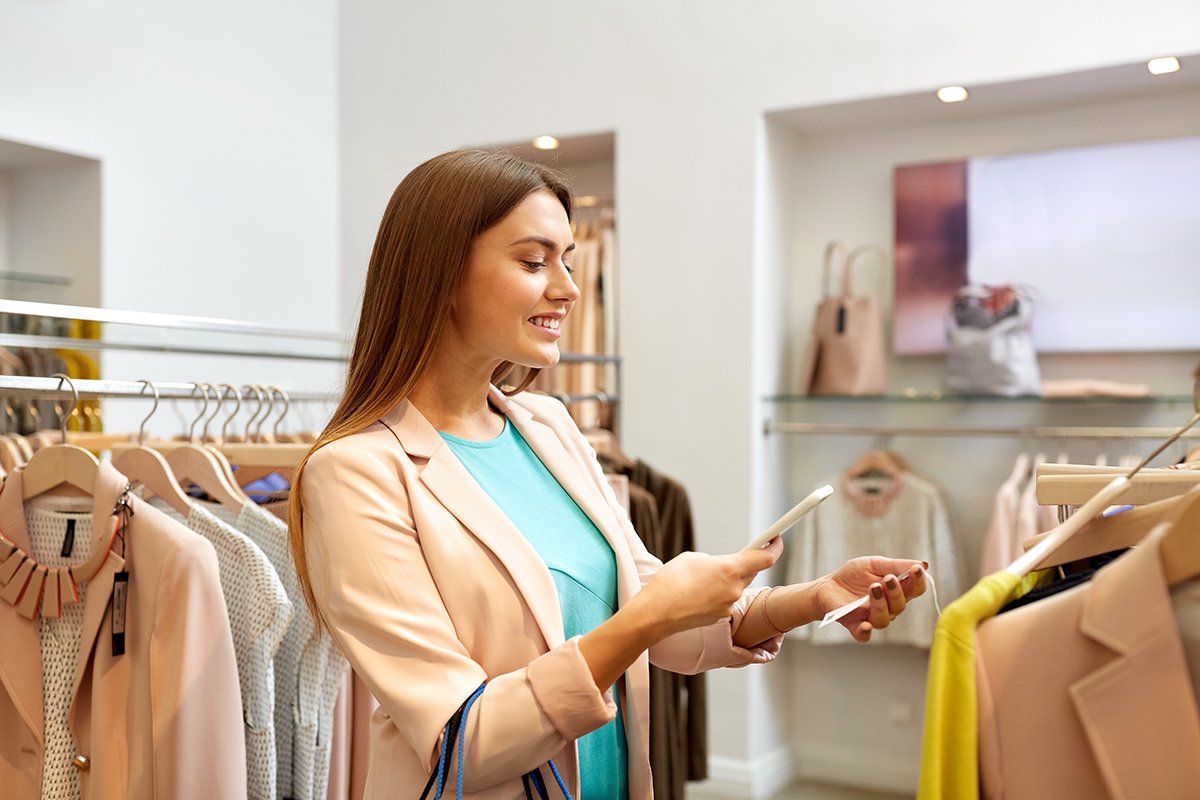
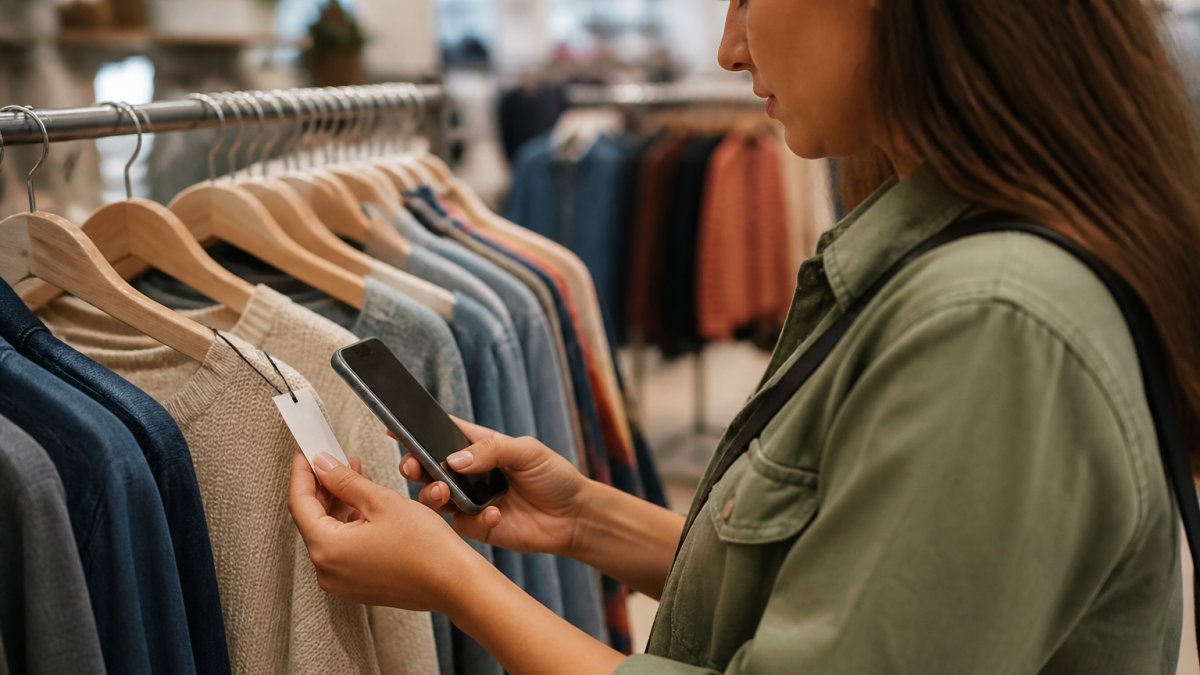
- Use a scanning tool at the point of sale so the decision takes seconds, not an evening of research
- Track what you own and replace only what wears out
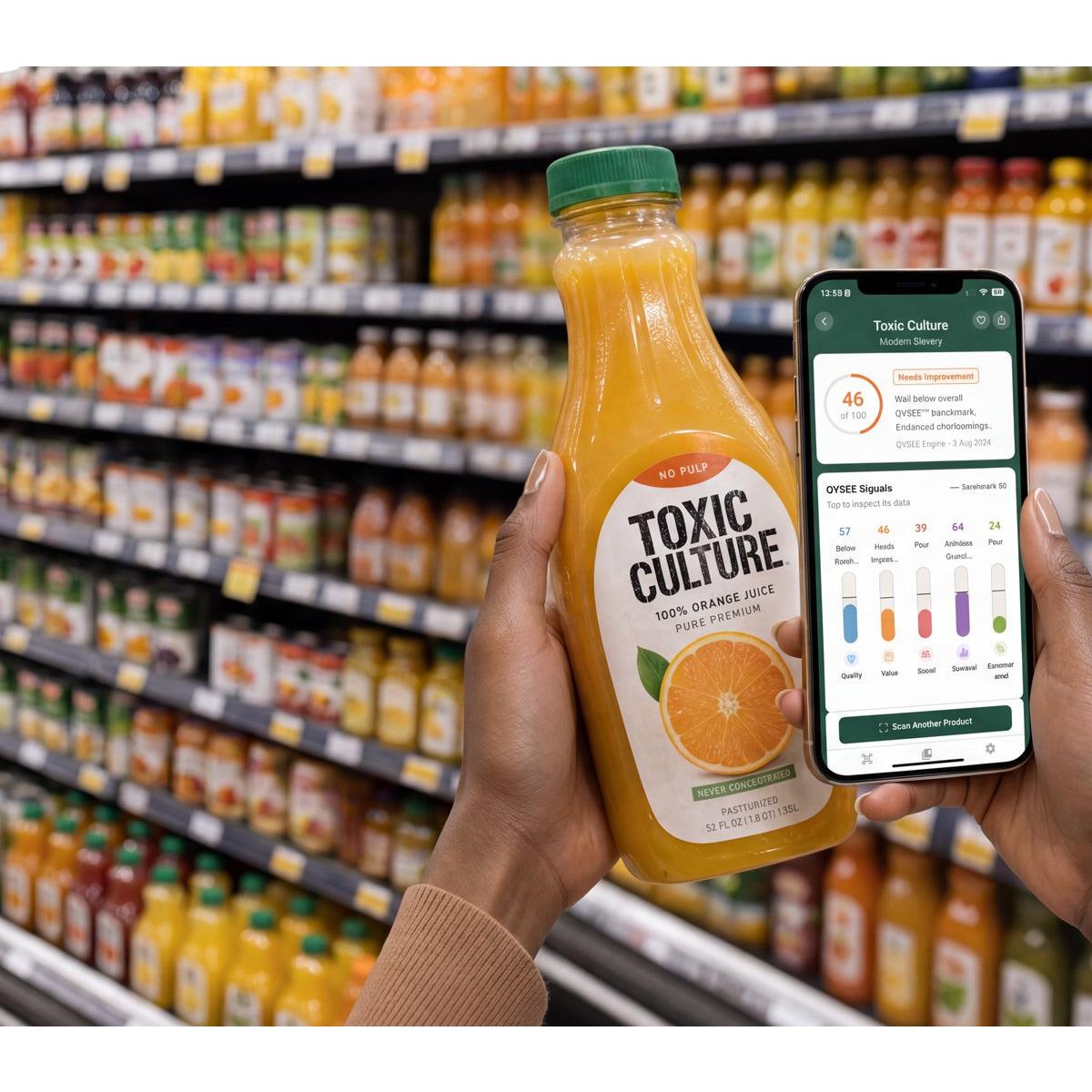
This is where the eb™ Scan App does something a directory cannot. Our QVSEE™ rating engine scores products across Quality, Value, Social, Economic and Environmental impact, and the app scans barcodes, QR codes and logos in real time. You get an evidence trail rather than a badge.
Ethical Clothing Certifications That Separate Claims From Evidence
Ethical clothing certifications are third-party schemes that audit a brand or product against published standards, and they are the fastest way to tell a verified claim from a slogan. A certification body has no commercial interest in the brand passing.
Look for schemes that name the specific standard, the auditing body and the scope of what was assessed. A logo with no scheme name, no certificate number and no scope is decoration.
Two habits worth building:
- Check whether the certification covers the factory, the fibre, or the whole product
- Check the date. A certification from several years ago may not reflect current practice
For shoppers who want a single evidence-based score rather than a wall of logos, an app that tracks rating changes over time is more useful than a one-off badge.
Second-Hand Clothing: The Cheapest Route to an Ethical Wardrobe
Second-hand clothing is the lowest-cost ethical option available, and it is the one most budget guides underplay. No new resources are consumed, no new manufacturing takes place, and the price reflects depreciation rather than principle.
The trade-offs are real. Sizing is inconsistent, stock is unpredictable, and you cannot always verify a garment's origin. But for basics, outerwear and occasion wear, second-hand beats every new-purchase option on cost and on environmental impact at the same time.
Our recommendation: build your wardrobe from second-hand first, then fill the gaps with certified new basics from the brands above. That order keeps the budget intact and the standards high.
Frequently Asked Questions
What are the most affordable sustainable clothing brands?
Brands repeatedly named in affordable sustainable clothing round-ups include Pact, Kotn, Boody, tentree, Girlfriend Collective, Omnes, Sense Organics and No Nasties. None of these are bargain-bin cheap, but they sit well below designer ethical labels. The bigger saving comes from buying fewer pieces and choosing basics you will wear weekly. Use a brand-checking tool such as the eb™ Scan App to confirm a brand's credentials before you spend, so your money goes to genuine affordable sustainable clothing rather than marketing claims.
Which sustainable clothing brands are available in the UK?
Several of the brands in this guide ship to the UK, including Boody, Kotn, tentree, Omnes and Girlfriend Collective. Availability and delivery costs vary, so check each brand's shipping page before ordering. UK shoppers also have strong second-hand options through charity shops, Oxfam Online and resale apps. For affordable ethical clothing brands UK buyers can verify, scan the label or barcode with the eb™ Scan App and check the rating before you commit to a purchase.
Is sustainable clothing more expensive?
Often yes, because ethical production carries real costs: certified organic fibres, verified factory audits and living wages. That said, the gap narrows when you compare cost per wear rather than sticker price. A well-made organic cotton T-shirt worn 100 times usually beats three cheap ones that pill after a month. Second-hand clothing and resale platforms close the gap further, letting you buy quality garments at a fraction of the original price.
How can I check whether a clothing brand is genuinely ethical?
Start with third-party certifications rather than the brand's own marketing. Look for GOTS on organic cotton, Fair Trade certification on factory conditions, and B Corp status for overall accountability. Then cross-check with a ratings tool: the eb™ Scan App evaluates brands on Quality, Value, Social, Economic and Environmental impact, with evidence trails behind each score. If a brand makes bold claims but names no certification and no audit, treat that as a warning sign.
Are second-hand clothes more sustainable than buying new?
Almost always, yes. A second-hand garment requires no new cotton, no new dye and no new manufacturing, so its environmental cost is close to zero beyond transport. It is also the cheapest way to dress ethically, which matters if you are managing ethical fashion on a budget. The trade-off is choice and sizing. Combine charity shops and resale apps with a small number of new, certified basics for a wardrobe that is both affordable and genuinely lower impact.
The hardest part of ethical shopping is not finding brands. It is knowing which claims hold up when you are standing in a shop with thirty seconds to decide. That is the problem eb™ Scan App was built for: real-time scanning of barcodes, QR codes and logos, a QVSEE™ rating backed by a comprehensive evidence trail, and a personal portfolio that updates you automatically when a brand's rating changes. Download the eb™ Scan App and let the evidence travel with you to the till.