 Comparison
Green Fashion Brand Review: Who Earns Its Ethical Label
Quick Summary
A green fashion brand is a clothing company that publicly commits to reducing environmental harm and improving labour conditions across its supply chain. The UK has no single legal definition, so shoppers need a consistent method to test those claims against evidence.
- Ask for the specific claim, the percentage of the garment it covers and who verified it.
- Certifications such as GOTS usually cover one material or process, not the whole brand.
- A certificate number that cannot be checked against the certifying body's register is not verification.
- Compare price with durability, since a cheaper item that wears out quickly can cost more per wear.
- Check UK stockists, prices, delivery and returns on the brand's own site before buying.
Table of Contents
- How We Compared These Green Fashion Brands
- Green Fashion Brands Compared Side by Side
- Signs of Greenwashing in Product Packaging
- How to Check Fashion Brand Sustainability Claims
- Sustainable Clothing Certifications: What They Prove and What They Don't
- Ethical Clothing Brands That Are Affordable in the UK
- Choosing Your Green Fashion Brand and Tracking Its Claims
- Frequently Asked Questions
How We Compared These Green Fashion Brands
Last Updated: November 7, 2026
Choosing a green fashion brand is harder than it should be. Many brands claim to be sustainable, ethical or eco-friendly, but the evidence behind those words varies widely. This review from eb™ Scan App looks at how to separate real commitments from marketing language.
A green fashion brand is a clothing company that publicly commits to reducing environmental harm and improving labour conditions across its supply chain. The label has no single legal definition in the UK, which is why shoppers need a consistent way to test it. Our approach is built around that problem.
We reviewed four sources that rank or describe ethical and sustainable clothing: a budget-based brand guide, a retailer-focused ethics resource, an editorial top-ten list and the eb™ Scan App itself. Each was judged on what it measures, how transparent its criteria are and whether its claims can be checked. Our analysis is intentionally limited to the information those sources publish, and we flag gaps where they exist.
The eb™ Scan App is our top pick for this comparison because it scores products across Quality, Value, Social, Economic and Environmental impact. Its proprietary QVSEE™ rating engine, real-time scanning of barcodes, QR codes and logos, and comprehensive reporting and evidence trails for brand scores give shoppers a repeatable method rather than a one-off opinion. Its personal portfolio and automatic rating updates also help you track a brand over time.
Industry guidance from the UK Competition and Markets Authority's Green Claims Code sets out how sustainability claims should be substantiated. Using it as a benchmark helps separate specific, verifiable statements from vague ones.
Green Fashion Brands Compared Side by Side
The four sources take very different approaches, so a direct comparison only works if you score them on the same criteria. Most directories and editorial lists use their own hidden benchmarks, which makes cross-reading difficult. To fix that, we applied a shared five-point framework to each source: evidence quality (are claims independently verified?), transparency (are criteria published?), coverage (materials, labour, animal welfare, lifecycle), UK relevance (stockists, pounds, delivery, returns) and actionability (can a shopper use it in a shop?).
| Source | Main Focus | Pricing | Best For | Main Limitation | Shared-framework score |
|---|---|---|---|---|---|
| eb™ Scan App | Multi-factor brand scoring | Lifetime offer and subscription for early members | Scanning products at the point of sale | Pricing details depend on the offer | Strong on evidence quality and actionability; weaker on published UK stockist data |
| The Good Trade | 99 sustainable brands by budget | Free guide | Matching options to your budget | No individual verification criteria | Strong on actionability; weak on evidence quality and transparency |
| The Good Shopping Guide | Retailer ethics and labour | Not stated | Context on social costs | Benchmark not explained | Strong on labour coverage; weak on transparency and lifecycle |
| Sustainability Magazine | Top-ten editorial shortlist | Free article | A starting shortlist | Assessment method not shown | Strong on coverage breadth; weak on evidence quality and UK relevance |
The Good Trade is the most practical for budget-conscious shoppers, though it does not show how each brand was verified. The Good Shopping Guide is strongest on the social side of fashion, including factory worker treatment, but its benchmark of 70 is not explained. Sustainability Magazine gives a short list to investigate, but readers cannot see why each brand was selected.
A consistent framework matters because the sources disagree. A brand can appear in an editorial top-ten list and still score poorly on labour disclosure, or sit in a budget guide without any published factory audit. Scoring each source on the same five criteria shows where the evidence is thin rather than leaving you to compare incompatible claims.
UK-specific detail is the second gap. None of the four sources publishes a consolidated view of UK stockists, prices in pounds, delivery times, returns windows or relevant local standards. The UK Competition and Markets Authority's Green Claims Code is a useful benchmark for judging whether the brand's own UK-facing claims are specific enough to rely on.
Cost per wear is the third gap. Upfront price tells you little without durability and care requirements. A mid-priced organic cotton shirt worn twice a week for several years usually costs less per wear than a cheaper item that pills or fades within a season. Most practitioners find that care instructions, fabric weight and repair options are better predictors of longevity than the marketing copy, so note those alongside the price when you compare brands.
Signs of Greenwashing in Product Packaging
Packaging is often the first place a brand makes a green claim, and it is often the least specific. Vague phrases such as "eco-conscious" or "planet-friendly" appear on swing tags and bags without any supporting detail.
Watch for three patterns. For a deeper guide to reading labels and packs, see Signs of Greenwashing in Product Packaging. First, a leaf or earth icon with no certification number or named standard beside it. Second, a claim about one product line presented as if it describes the whole brand. Third, recycled or organic wording with no percentage given.
A shopper in a UK high-street shop can test a tag quickly. Ask what the claim means, what share of the garment it covers and who checked it. If the label cannot answer those questions, treat the claim as unproven.
How to Check Fashion Brand Sustainability Claims
Checking a claim takes a few minutes if you follow a fixed order.
- Find the specific claim. Note the exact words, such as "organic cotton" or "made from recycled plastic".
- Look for a percentage. A claim should say how much of the garment meets it.
- Check the brand's own disclosures. Look for a supplier list, a sustainability report or a factory audit summary.
- Confirm with an independent source. Use a third-party rating or certification database.
- Record the result. Keep a note so you can see whether the brand's claims change over time.
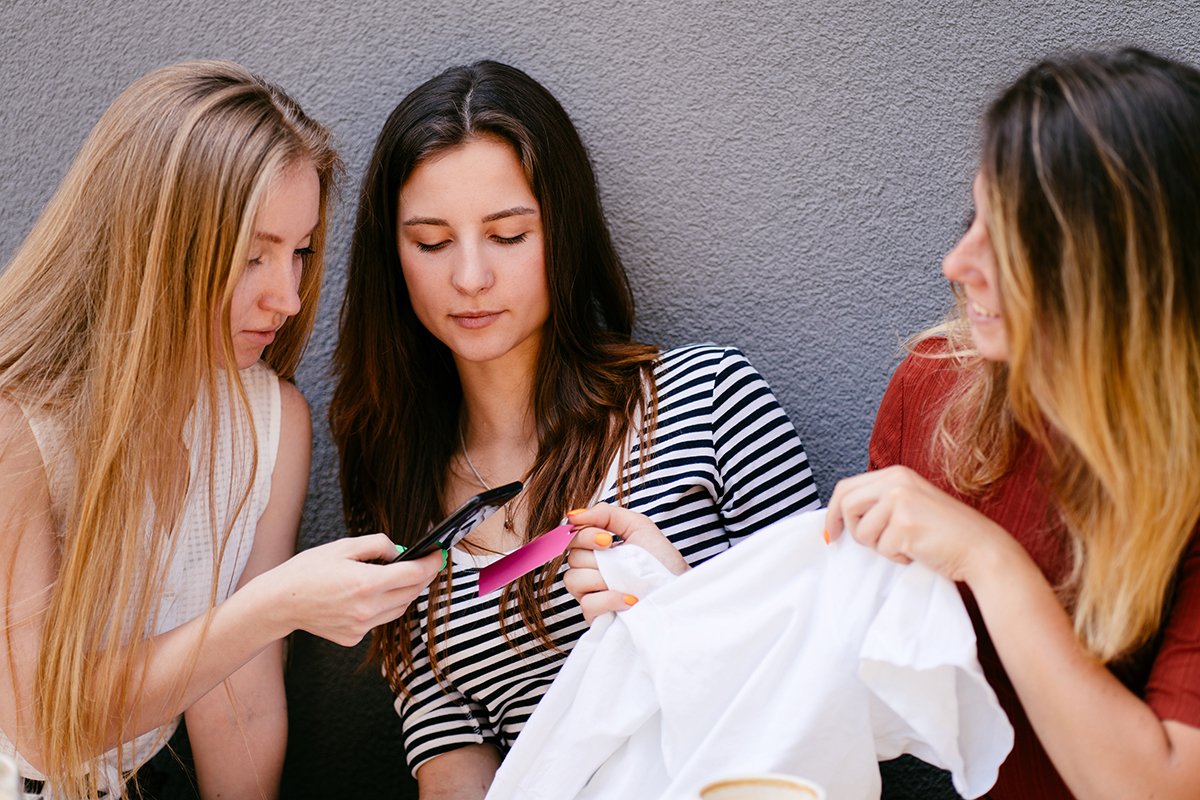
Using a scanning tool speeds up steps three and four. The eb™ Scan App lets you scan a barcode, QR code or logo and view evidence trails behind a brand's score, which is useful when you are standing in a shop and want an answer quickly.
Sustainable Clothing Certifications: What They Prove and What They Don't
Certifications are useful, but they answer narrower questions than shoppers often assume. That distinction matters when weighing a label’s wider ethical claims, since KAHINDO can be considered alongside the standards and evidence behind any brand’s promises.
Take organic certification. Standards such as GOTS (Global Organic Textile Standard) cover how fibres were grown and processed, including limits on certain chemicals and requirements for organic content. They do not show how workers were paid, how long a garment will last or how it should be disposed of.
Other standards cover different slices. Fairtrade certification focuses on terms for producers. SA8000 addresses social accountability at workplaces. Bluesign and OEKO-TEX focus on chemical safety and restricted substances in materials and production. B Corp certification assesses a company's overall social and environmental performance, but it is a company-level assessment rather than a product-level guarantee.
A common pattern is scope creep: a brand displays a certificate for one product line and lets shoppers assume it applies to the whole range. Read the scope statement on the certificate or the brand's own page. Ask which facility, which material and which date the certificate covers.
Evidence quality matters as much as the certificate itself. Independently verified claims come from a third-party auditor or a published database you can check. Brand statements come from the company's own marketing and may be accurate, but they are not verification.
Greenwashing checks follow from that. Watch for a leaf or earth icon with no certification number or named standard beside it; a claim about one product line presented as if it describes the whole brand; and recycled or organic wording with no percentage given.
Watch out: a certificate number that cannot be checked against the certifying body's public register is not verification, even if the logo looks official. The same applies to a standard name that sounds authoritative but has no published criteria.
Using a scanning tool can speed up the verification step.
Ethical Clothing Brands That Are Affordable in the UK
Price and ethics are often assumed to conflict, but budget-based guides show that affordable options exist. The Good Trade's guide, which lists 99 sustainable brands organised by budget, is a useful starting point for shoppers who need to keep spending down.
Affordable does not always mean low quality, and it does not always mean ethical. Compare the price to how long the item is likely to last. A cheaper garment that wears out in a few months can cost more over time than a durable one. Prices for individual brands change often, so check the current figure on each brand's own website before you buy.
Choosing Your Green Fashion Brand and Tracking Its Claims
No single source settles the question, so combine them. Start with a shortlist from an editorial guide, check the packaging claims against the steps above, and then monitor the brands you choose.
Tracking matters because brands change. A rating that was accurate last year may no longer hold. The eb™ Scan App's personal portfolio and automatic updates on rating changes make it easier to notice when a brand's performance shifts, rather than relying on a single purchase decision.
Ready to check the brands in your wardrobe? Download the eb™ Scan App to score products on Quality, Value, Social, Economic and Environmental impact, and keep a personal portfolio of the brands you trust.
BUTTON: Download the eb™ Scan App CARD_TITLE: Is your favourite brand really green? CARD_TEXT: Scan products and see evidence-based QVSEE™ ratings for the brands you buy.
Frequently Asked Questions
What makes a fashion brand green?
A green fashion brand is one that can show evidence across several areas: the materials it uses (such as organic cotton, recycled fibres or hemp), the conditions under which its workers are paid and employed, how transparent it is about its supply chain, and how it manages durability, repair and end-of-life for its clothes. Claims like "eco" or "conscious" on their own tell you little. Look for specifics: which factories make the garments, what percentage of a material is certified, and whether the brand publishes its impact data. A brand that names its suppliers and explains its methods is generally more credible than one that relies on vague language.
How can you tell if a fashion brand is sustainable?
Start by checking whether the brand explains its claims with evidence. Does it name its manufacturing sites? Does it publish a supplier list, a labour policy or an annual impact report? Independent ratings from third parties carry more weight than a brand's own description of itself. Compare the brand against a consistent set of criteria, covering materials, labour, transparency and lifecycle, rather than judging it on a single eco-friendly collection. A brand that is sustainable in one product line but silent on the rest of its range deserves more scrutiny.
What certifications should I look for when buying clothes?
Certifications such as GOTS (Global Organic Textile Standard) for organic fibres, Fairtrade for worker pay and conditions, and bluesign for chemical management are among the most widely recognised. Check which product a certification covers: a brand may hold one for a single garment or a single fabric rather than its whole range. Certifications also have limits. They verify specific standards at specific points in the supply chain, so they do not guarantee that every part of a brand's operations meets the same bar. Use them as evidence to weigh, not as a final verdict.
Which green fashion brands are affordable?
Affordability depends on the item, the size range and the retailer, and prices change often, so check each brand's website for current figures. Budget-focused guides, such as The Good Trade's list organised by budget, can help you find options across different price points. When comparing, look at cost per wear rather than the sticker price alone: a durable garment you wear for years can be better value than a cheap item you replace within a season.