 Comparison
Which Fast Fashion Retailers Should You Actually Avoid in 2026?
Last Updated: October 25, 2026
Quick Summary
Fast fashion retailers like SHEIN, Zara, H&M and UNIQLO prioritise speed and cost, releasing new collections weekly or multiple times annually whilst maintaining minimal transparency about production. These retailers design clothes for short lifespans, rely on cheap synthetic materials, and operate fundamentally differently from ethical brands that emphasise durability and fair labour practices.
- SHEIN adds thousands of new styles weekly with estimated 2026 revenue of £40-48 billion, representing the most extreme fast fashion model.
- Zara releases approximately 24 collections annually, roughly twice the frequency of traditional retailers, whilst maintaining tighter supply chain control.
- Fast fashion retailers rely heavily on polyester and synthetic blends because they're cheap, whilst ethical brands prioritise natural fibres and durability.
- Producing a single cotton t-shirt requires approximately 2,700 litres of water, and fast fashion amplifies this environmental impact significantly.
- Ethical fashion brands typically release two to four collections annually and publish detailed supply chain information, contrasting sharply with fast fashion practices.
Table of Contents
- What Are the Biggest Fast Fashion Retailers Right Now?
- How to Identify Fast Fashion Retailers When You're Shopping
- Fast Fashion Environmental Impact: What You Need to Know
- Fast Fashion vs Ethical Fashion Retailers: The Real Difference
- Where to Find Ethical Fashion Retailers Instead
- Using the eb™ Scan App to Track and Compare Brands
- Make Your Next Purchase Count
- Frequently Asked Questions
What Are the Biggest Fast Fashion Retailers Right Now?
The global fast fashion industry moves at an extraordinary pace, with major retailers releasing new collections every few weeks rather than seasonally. Understanding which fast fashion retailers dominate the market today helps you recognise them when shopping, whether online or on the high street. The four largest fast fashion retailers globally operate very differently despite sharing the same core philosophy: produce clothes quickly, sell them cheaply, and move on to the next trend.
Place Branding
SHEIN: The Ultra-Fast Model
SHEIN represents the most aggressive interpretation of fast fashion. This retailer adds thousands of new styles to its platform weekly, with an estimated 2026 revenue range of £40-48 billion. The business model relies on rapid design-to-sale cycles and minimal inventory holding. What separates SHEIN from traditional fast fashion retailers is the sheer volume and speed, new items appear almost daily, and styles disappear just as quickly.
The appeal is straightforward: extremely low prices and endless novelty. However, this velocity comes with documented concerns about labour practices, fabric quality, and environmental impact. Items are often designed to last a single season, sometimes only a few wears. If you're shopping SHEIN, you're participating in the most extreme version of the fast fashion model.
Zara: Speed Meets Scale
Zara, owned by Inditex, operates differently from SHEIN but remains firmly in the fast fashion retailers category. The company releases approximately 24 collections annually, roughly twice the frequency of traditional retailers. Zara maintains tighter control over its supply chain, with many items produced in Spain and Portugal rather than outsourced entirely to Asia.
This approach allows Zara to respond to trends faster than competitors whilst maintaining slightly better quality standards. The trade-off is higher prices than SHEIN, though still considerably cheaper than ethical alternatives. Zara's model appeals to shoppers who want trend-led clothing without the lowest possible price point, yet still within the fast fashion framework.
H&M: The Greenwashing Paradox
H&M presents a more complex picture. The Swedish retailer operates as a conventional fast fashion retailer with multiple sub-brands (COS, & Other Stories, Monki) serving different market segments. H&M releases collections frequently and maintains the hallmarks of fast fashion: rapid production, low prices, high volume.
Where H&M complicates the narrative is through sustainability messaging. Learn more about identifying greenwashing tactics to recognise when brands make misleading environmental claims. The company publishes extensive environmental reports and has launched "conscious" collections marketed as more ethical. Yet the core business model remains unchanged, fast turnover, cheap production, high waste. This disconnect between messaging and practice exemplifies what's often called greenwashing: appearing ethical whilst maintaining fundamentally unsustainable operations. research on greenwashing in fashion retail shows this pattern across the industry.
UNIQLO: The Minimalist Fast Fashion
UNIQLO, owned by Fast Retailing, operates as a fast fashion retailer with a different aesthetic. Rather than chasing every trend, UNIQLO focuses on basic, versatile pieces in limited colours and styles. The company still operates on fast fashion principles, rapid production, low prices, high volume, but the product range is deliberately constrained.
This approach appeals to minimalist shoppers who want affordable basics without the trend-chasing. UNIQLO's sustainability profile is marginally better than SHEIN or H&M simply because simpler designs require less complex supply chains. However, the fundamental model remains the same: prioritise speed and cost over durability and ethical production.
How to Identify Fast Fashion Retailers When You're Shopping
Recognising fast fashion retailers in the moment, whether browsing online or walking down the high street, requires understanding the telltale signs. The first indicator is collection frequency.
Price point offers another clue, though it's less reliable. Extremely low prices often signal fast fashion, but some fast fashion brands position themselves at mid-range prices.
The third signal is transparency about production. Reputable brands publish information about factories, labour standards, and material sourcing. Fast fashion retailers either provide minimal information or publish vague statements without specifics.
Fabric composition matters too. Fast fashion retailers rely heavily on polyester and synthetic blends because they're cheap and durable enough for short-term wear.
Finally, consider the brand's marketing focus. Do they emphasise trend-following and "this season's must-haves"? That's fast fashion language. Ethical brands market durability, timelessness, and quality. The language used reveals the business model underneath.
Fast Fashion Environmental Impact: What You Need to Know
The environmental cost of fast fashion retailers extends far beyond what most shoppers realise. The fashion industry ranks among the world's largest consumers of water, and fast fashion amplifies this problem significantly.
Textile dyeing and chemical treatment create another major environmental burden. The chemicals used to treat fabrics often end up in waterways, contaminating drinking water supplies in regions where production occurs.
Waste generation is perhaps the most visible impact. The average person discards approximately 37 kilograms of clothing annually.
The carbon footprint of fast fashion retailers also deserves attention. Transportation of goods across global supply chains, frequent air freight to meet rapid timelines, and manufacturing in energy-intensive facilities all contribute to substantial emissions.
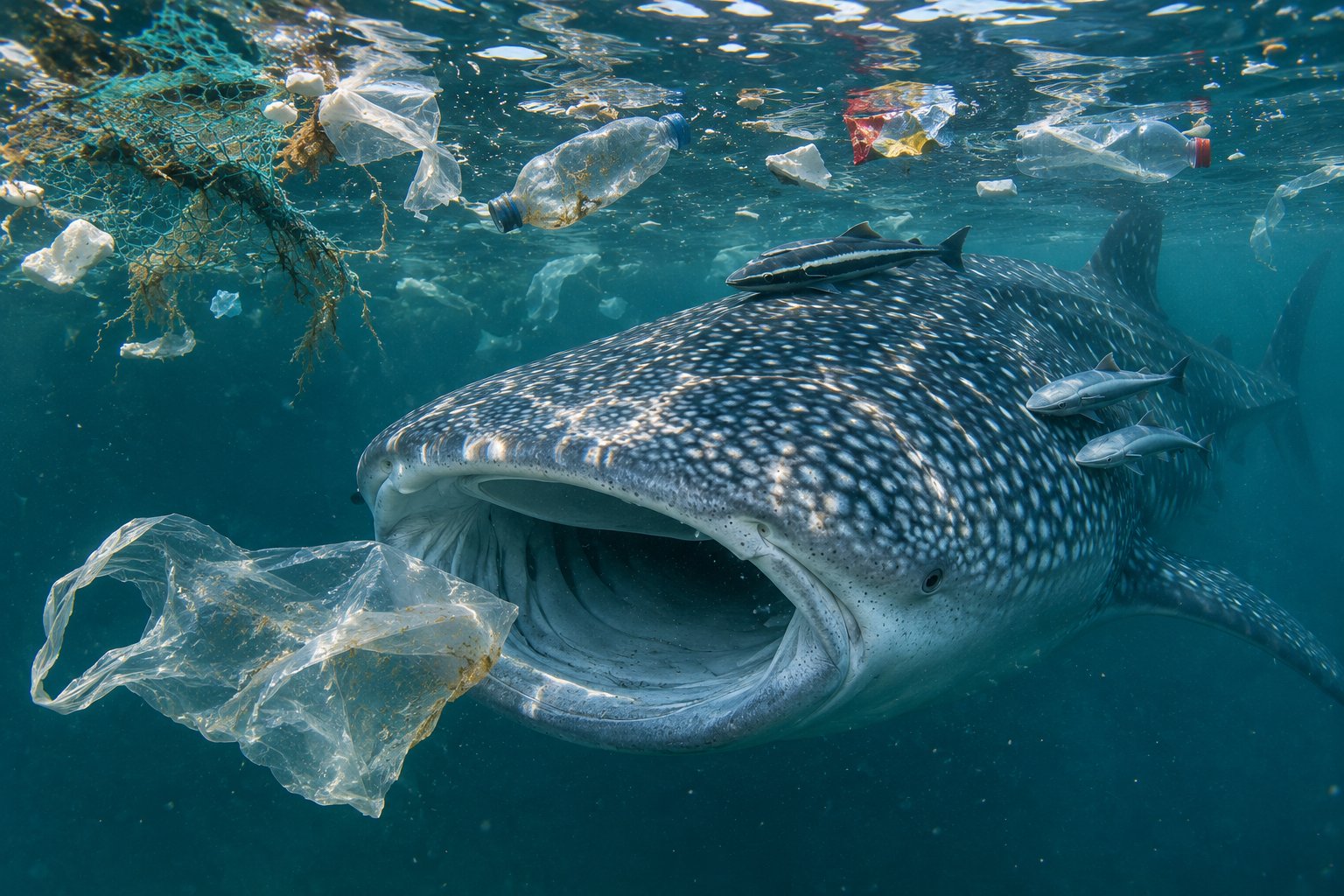
Microplastic pollution represents an emerging concern. Synthetic fabrics shed tiny plastic fibres when washed, and these accumulate in oceans and soil.
Fast Fashion vs Ethical Fashion Retailers: The Real Difference
The distinction between fast fashion and ethical alternatives goes beyond marketing claims. sustainable fashion standards and certifications outline the key differences in how these businesses operate.
Fast fashion retailers prioritise speed and cost. They design collections rapidly, manufacture in whichever location offers the lowest labour costs, and push products to market within weeks.
Download the eb™ Scan App now →
Ethical fashion retailers operate on fundamentally different principles. They design fewer collections annually, typically two to four rather than dozens.
The price difference reflects these realities. Ethical fashion costs more because it pays fair wages, uses better materials, and produces in smaller volumes.
Transparency differs markedly.
The business model itself reveals the core difference. Fast fashion retailers profit from volume and rapid turnover. Ethical brands profit from quality and customer loyalty.
Where to Find Ethical Fashion Retailers Instead
If you've decided to move away from fast fashion retailers, finding alternatives requires knowing where to look. comprehensive guide to ethical clothing brands and options provides detailed resources. We've compiled a guide to affordable sustainable clothing brands for 2026 that offers specific options across price points.
Ethical fashion exists at multiple price levels. Budget-conscious shoppers often assume ethical clothing is unaffordable, but many ethical brands compete directly with mid-range fast fashion retailers on price.
Look for brands that emphasise durability and timelessness rather than trends. These companies design pieces meant to last years, not seasons.
Certifications matter when evaluating ethical retailers. Brands holding Fair Trade, GOTS (Global Organic Textile Standard), or B Corp certification have undergone third-party verification of their practices. These certifications aren't perfect, but they indicate genuine commitment beyond marketing claims.
Shopping secondhand offers another ethical alternative. Vintage and secondhand retailers give existing clothing new life, reducing demand for new production. This option also tends to be cheaper than buying new ethical brands, making it accessible to budget-conscious shoppers.
Using the eb™ Scan App to Track and Compare Brands
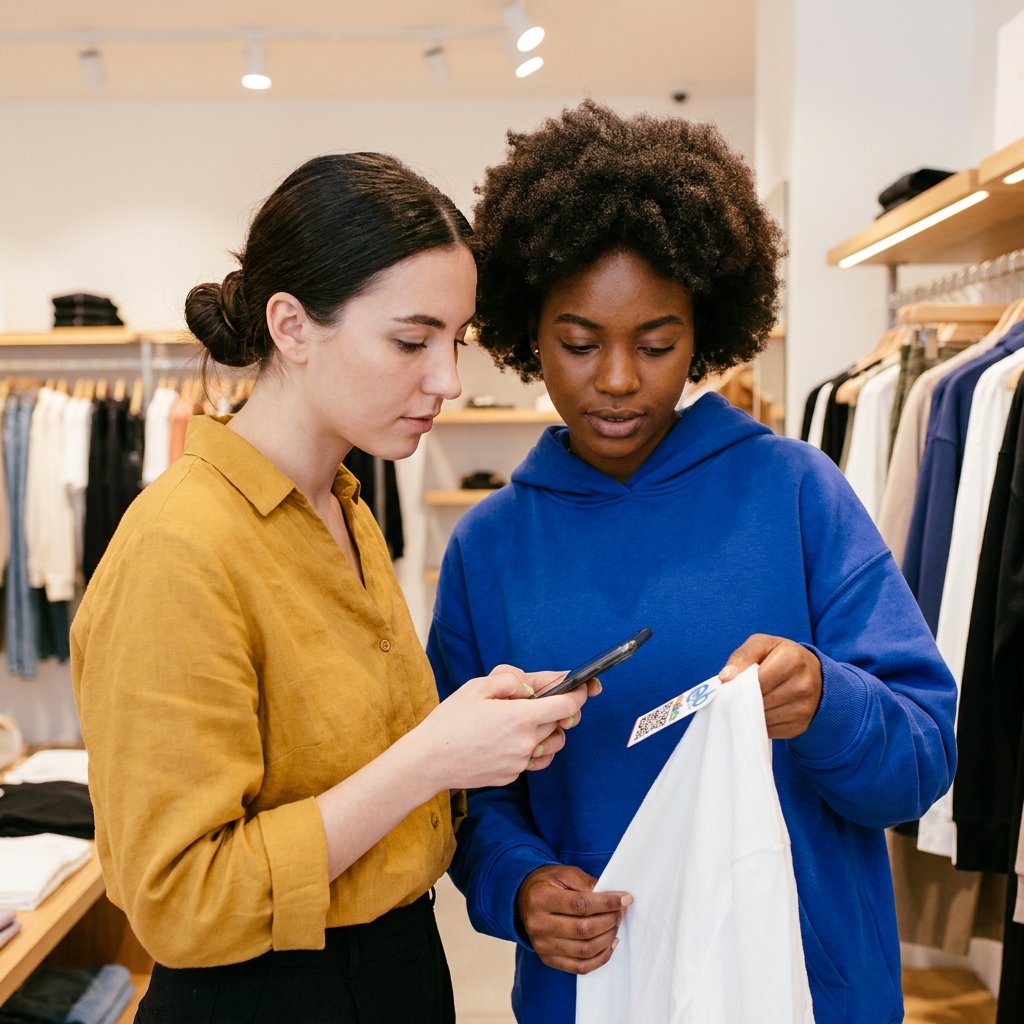
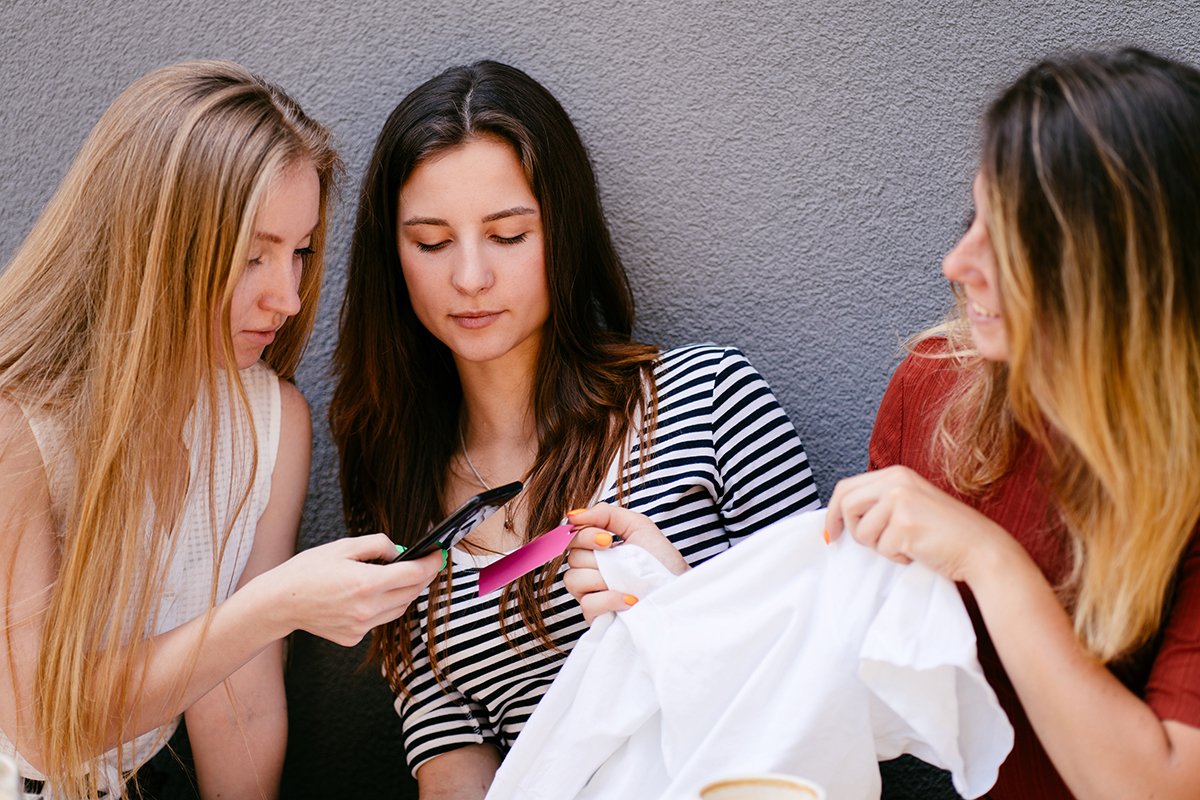
The eb™ Scan App helps you move beyond surface-level brand claims and access verified information about ethical credentials. Rather than relying on marketing statements or vague sustainability promises, you can scan products for detailed ethical information using our proprietary QVSEE™ rating engine.
Our app evaluates brands across five dimensions: Quality, Value, Social, Economic, and Environmental impact. This comprehensive approach reveals whether a brand is genuinely ethical or merely greenwashing. When you scan a product's barcode or QR code, you receive instant access to evidence trails showing exactly how we reached our rating.
The personal portfolio feature lets you monitor your favourite brands over time. If a brand's practices change, either improving or deteriorating, you'll receive automatic updates. This accountability mechanism is precisely what fast fashion retailers avoid, since transparency would expose their practices.
For shoppers struggling to align purchases with values, the app removes guesswork. Instead of debating whether H&M's sustainability claims are genuine or whether SHEIN's labour practices are acceptable, you access verified information at the point of sale.
The app particularly helps when shopping online, where you cannot examine labels or ask staff questions.
Make Your Next Purchase Count
Shopping consciously doesn't require perfection, it requires awareness. Understanding which retailers operate as fast fashion retailers and recognising the consequences of that model helps you to make different choices. Whether you shift entirely away from fast fashion, reduce your purchases from these retailers, or simply become more intentional about when and why you buy, the impact accumulates.
The most effective approach combines multiple strategies: buying less overall, choosing quality over quantity, supporting ethical brands when possible, and using tools that provide verified information. The eb™ Scan App makes this last step straightforward. Download the app, start scanning products you're considering, and let verified data guide your decisions rather than marketing claims or wishful thinking.
Your next purchase is an opportunity to vote with your wallet. Make it count.
Retailer | Collection Frequency | Price Point | Transparency | Best For |
|---|---|---|---|---|
SHEIN | Weekly/Daily | Ultra-low | Minimal | Budget-conscious trend-chasers |
Zara | ~24 annually | Mid-range | Limited | Trend-aware shoppers wanting quality |
H&M | Frequent | Mid-range | Marketing-heavy | Mainstream shoppers |
UNIQLO | Continuous basics | Low-mid | Moderate | Minimalist basics seekers |
Ethical brands | 2-4 annually | Higher | Comprehensive | Values-aligned shoppers |
Frequently Asked Questions
What exactly is a fast fashion retailer?
A fast fashion retailer produces new clothing collections rapidly—often weekly or monthly—at low prices by cutting corners on labour standards, material quality, and environmental practices. They prioritise speed and volume over durability. Major examples include SHEIN, Zara, H&M, and UNIQLO. These retailers dominate the high street and online, making up a significant portion of the global fashion market.
How can I tell if a retailer is fast fashion when I'm browsing?
Look for constantly rotating inventory, extremely low prices, minimal product information, and frequent new collections. Fast fashion retailers typically release dozens of new styles weekly. Check whether the brand publishes transparent labour practices, material sourcing information, or environmental commitments. Retailers that lack detailed ethical credentials or use vague sustainability claims often hide fast fashion practices. Apps like the eb™ Scan App let you scan products instantly to verify a brand's actual ethical performance rather than relying on marketing claims.
Why is fast fashion so harmful to the environment?
Fast fashion drives overproduction, leading to massive textile waste. The industry uses enormous quantities of water, chemicals, and energy whilst producing clothes designed to wear out quickly. Synthetic fabrics shed microplastics, polluting oceans and soil. Transportation emissions from frequent global shipments add to the carbon footprint. Because styles change constantly, shoppers discard perfectly wearable clothing, creating a throwaway culture. The combination of rapid production cycles, cheap materials, and planned obsolescence makes fast fashion one of the most environmentally destructive industries globally.
What's the difference between fast fashion and ethical fashion retailers?
Ethical fashion retailers prioritise transparency, fair labour practices, sustainable materials, and durability. They produce smaller collections less frequently, ensuring quality over quantity. Ethical brands typically publish detailed information about their supply chains, worker wages, and environmental impact. Their clothing lasts longer, reducing waste. Fast fashion retailers, by contrast, prioritise speed and low cost, often relying on exploitative labour and low-quality materials. Ethical retailers may cost more upfront but offer better value through longevity and genuine social and environmental responsibility.
How do I know if a brand's ethical claims are actually true?
Greenwashing is rampant—many fast fashion retailers make vague sustainability claims without real accountability. Look for specific, verifiable information: certifications from independent bodies, published supply chain details, and transparent labour policies. The eb™ Scan App uses its proprietary QVSEE™ rating engine to evaluate brands based on Quality, Value, Social, Economic, and Environmental impact, giving you evidence-based scores rather than marketing language. This lets you verify whether a brand's claims hold up to scrutiny before you buy.