 How-to
How to Make an Informed Ethical Purchase at the Shelf
Last Updated: November 1, 2026
Quick Summary
Make an ethical purchase at the shelf by first choosing two or three issues that matter most to you, then checking whether each label names a credible certifier, covers the product in your hand and is current. Treat vague or unverifiable claims as marketing, not evidence, and compare ratings against your top priorities.
- Pick two or three ethical criteria first, such as environment, fair labour or transparency.
- Check who certifies a label, what it covers, whether it is current and whether it is audited.
- Use ethical ratings to compare brands and trade-offs, not just overall scores.
- Treat vague superlatives and self-declared claims as unverified until a named third party backs them.
- Run the one-minute checklist in store, and choose the clearer option if information is missing.
Table of Contents
- Why the Shelf Is Where Ethical Choices Get Made
- Step 1: Decide Which Ethical Criteria Matter Most to You
- Step 2: Check How to Verify Ethical Product Labels
- Step 3: Read Ethical Product Ratings and Compare Trade-Offs
- Step 4: Spot Greenwashing and Misleading Ethical Claims
- Step 5: Use Ethical Shopping Apps and How to Check if a Brand Is Ethical
- Your Point-of-Sale Checklist: Making the Decision in Under a Minute
- Frequently Asked Questions
Why the Shelf Is Where Ethical Choices Get Made
Most ethical decisions are made in a few seconds, standing in a supermarket aisle.
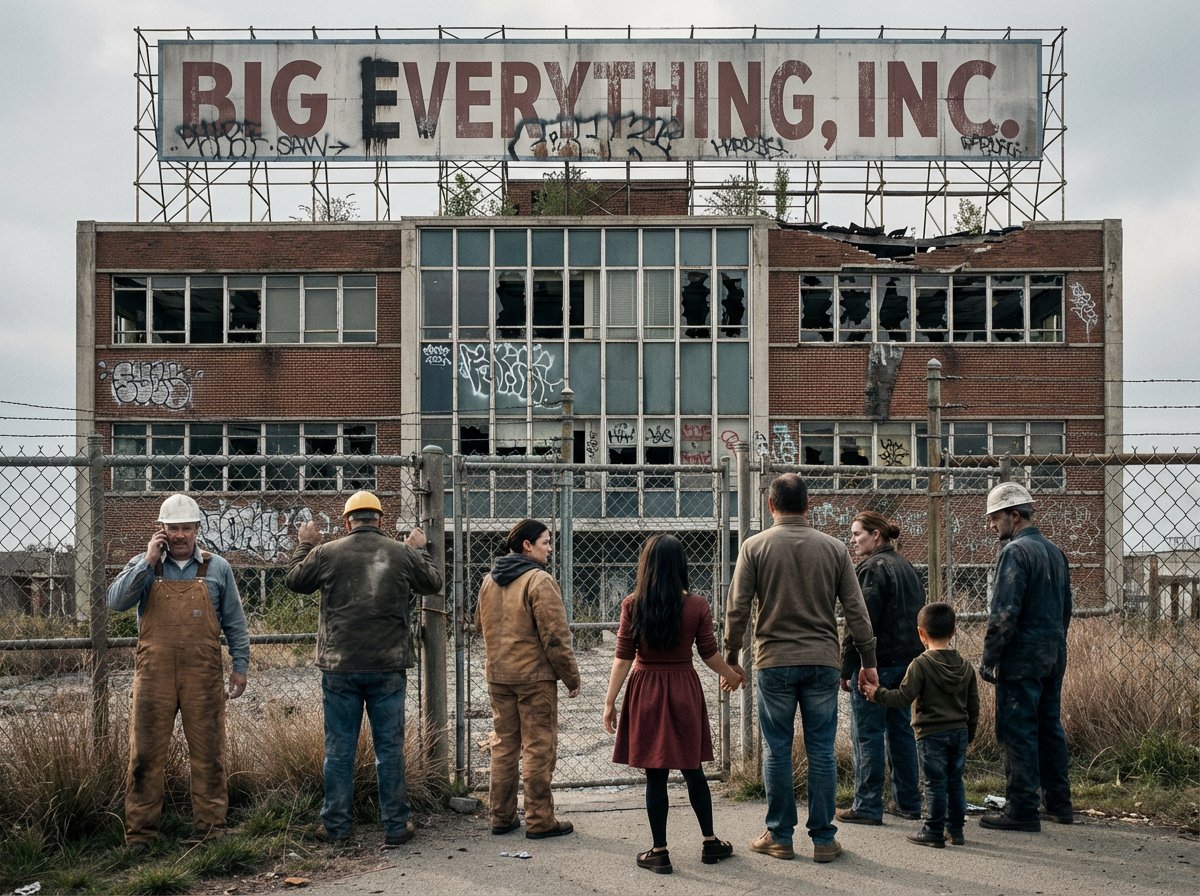
Ethical shopping is hard because most information isn't on the shelf.
The shelf is the last checkpoint. Everything you decide there shapes what a brand earns from your money.
What this guide covers: five practical steps for in-store or online shopping, plus a one-minute checklist. You don't need to check everything, just a repeatable method you can finish quickly.
Step 1: Decide Which Ethical Criteria Matter Most to You
Start by picking two or three issues you care about most. "Ethical" covers a lot, and trying to judge every issue at once usually leads to decision fatigue.
- Environmental impact: packaging, materials and carbon footprint
- Fair labour: wages and working conditions in the supply chain
- Animal welfare: how animals are treated in production
Write your top criteria on a note in your phone. A short list makes every later step faster.
Watch out: a brand can score well on one criterion and poorly on another, recycled packaging may still rely on unfair labour.
Step 2: Check How to Verify Ethical Product Labels
Labels are the quickest signal on the shelf, but the easiest to misread. A logo tells you some standard was met somewhere; it doesn't say which standard, which part of the product it covers, or whether the certification is still valid.
The four questions that verify any label
Work through these in order. If a label fails any one of them, treat it as a weaker signal than a label that passes all four.
- Who certifies it? A credible label names the certifying body, not just a symbol. A leaf icon with no organisation behind it is decoration, not certification.
- What does it cover? Certification can apply to one ingredient, one facility, one product line or the whole company. A coffee bag may carry a Fairtrade mark for the beans while the packaging is uncertified. Check whether the label refers to the product in your hand or a parent company's broader commitment.
- Is it current? Certifications lapse, and brands sometimes keep old logos on packaging. Most certifying bodies publish a searchable register of certified products or licence holders; if you can't find the product there, the label may be out of date (Fairtrade Finder).
- Is it independently audited? Self-declared claims ("we care about workers") are not certifications. Look for "certified by", "audited against" or "verified by" followed by a named third party.
How to check a label in the aisle
- Read the small print next to the logo. The certifying organisation's name is usually printed in small type beside or beneath the mark.
- Scan the QR code if there is one. Many certifications link to a verification page showing the licence holder and scope. A code leading to a brand marketing page rather than a certifier's register is a warning sign.
- Search the certifier's own website. Type the certifier's name plus "certified products" or "licence holder search", faster and more reliable than searching the brand name.
Labels that commonly cause confusion
- "Fair trade" vs "Fairtrade". Fairtrade (one word, often capitalised) usually refers to the Fairtrade International system and its national marks. "Fair trade" (two words) is a broader movement and can be used by brands with no certification at all.
- Recycled content claims. "Made with recycled materials" may refer to a percentage of the packaging, not the product. Look for a stated percentage and, where available, a certification such as the Recycled Claim Standard.
- Carbon neutral claims. These often rely on offsetting rather than reduction. Check whether the claim is certified under a recognised standard such as PAS 2060 or the ISO 14068 family, and read what is included in the boundary.
When the label is unfamiliar
If you meet a certification you don't recognise, two checks usually suffice. First, look for the certifier's website and check whether it publishes its standard, governance and a list of certified companies. Second, check whether the standard is referenced by a recognised accreditation body or appears in a retailer's responsible-sourcing policy. Rigorous verification of these credentials remains the most effective method for spotting retail greenwashing before a purchase is finalised.
Fairtrade International certified products and licence holders Rainforest Alliance certified product search
Quick check:
- Can I name the organisation behind this label?
- Does the label cover the whole product or only one ingredient?
- Can I find the product or brand on the certifier's own register?
Step 3: Read Ethical Product Ratings and Compare Trade-Offs
Ratings let you compare brands rather than judge each product in isolation. Two sources are worth knowing:
- Ethical Consumer combines product ratings with best-buy recommendations and researched information that goes beyond a brand's own marketing.
- The Good Shopping Guide offers Ethical Ratings Tables that let you compare brands you are already considering.
Rating systems rarely agree on every criterion, so compare trade-offs rather than looking for a perfect score.
When you use the eb™ Scan App, you can see its QVSEE™ rating, which assesses products across Quality, Value, Social, Economic and Environmental impact.
Download the eb™ Scan App now →
A high overall score can hide a weak result on the one issue you care about most. Always check the breakdown.
The article points to a few concrete ways to compare ethical ratings and the trade-offs between them, summarised below.
| Source or step | What it offers | Use it to |
|---|---|---|
| Ethical Consumer | Product ratings and best-buy recommendations | Compare products beyond brand marketing |
| The Good Shopping Guide | Ethical Ratings Tables | Compare brands you already consider |
| QVSEE™ rating (eb™ Scan App) | Quality, Value, Social, Economic and Environmental impact | See an overall score and its breakdown |
| Rating breakdown | Scores per criterion | Check the issue you care about most |
Step 4: Spot Greenwashing and Misleading Ethical Claims
Greenwashing is when a brand makes an ethical-sounding claim the facts don't support. It's common, often legal, and designed to work at exactly the moment you're standing in front of the product.
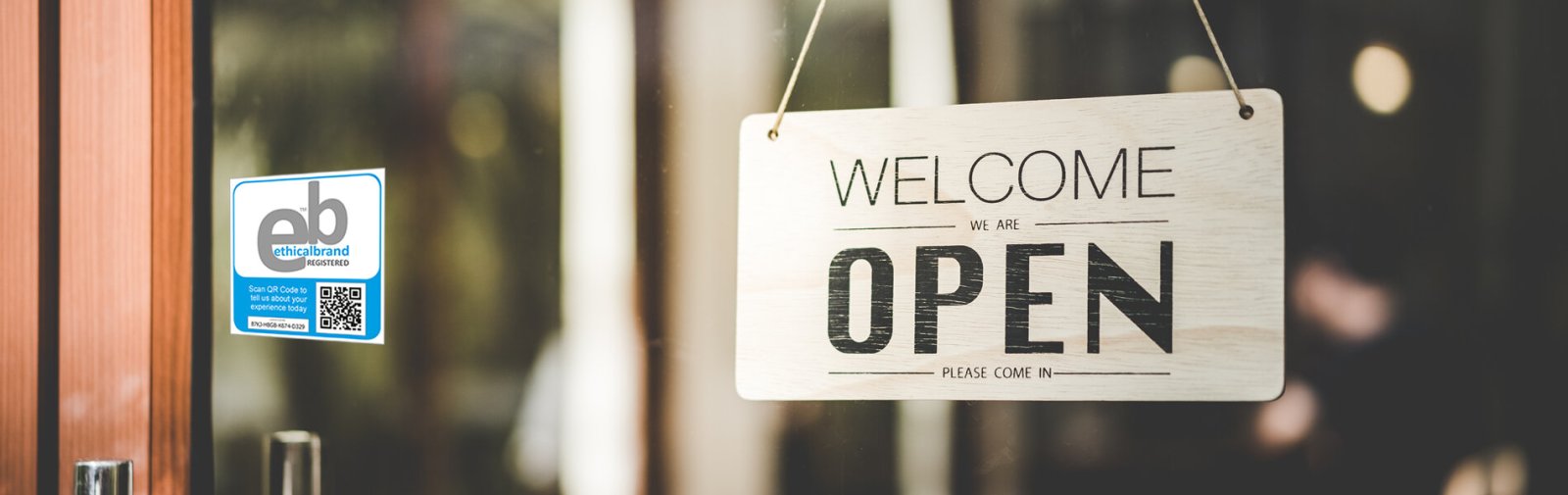
The three tests any claim should pass
- The specificity test. Does the claim state a checkable fact, a percentage, a standard, a named certifier, a date? "Made with 80% recycled polyester, certified by the Global Recycled Standard" is specific. "Eco-conscious" is not. Vague language isn't automatically dishonest, but it gives you nothing to verify.
- The scope test. Does the claim apply to the whole product or one part? "Plastic-free packaging" says nothing about the product inside. "Carbon neutral" may refer only to a company's own operations. Read the qualifier, not just the headline.
- The evidence test. Is there a named third party, a published standard or a document you can find? If the only source is the brand's own website, it's a self-declaration, unchecked by anyone independent.
Red flags that recur at the point of sale
- Vague superlatives. "The most sustainable", "the greenest", "planet-friendly", superlatives without a defined comparison or named methodology are marketing.
- Borrowed credibility. A leaf, a green background or a forest picture can imply certification without stating it. Look for the certifier's name, not the imagery. Our guide to warning signs of greenwashing in product packaging shows what to look for on the box.
- One good fact carrying the whole product. A single recycled component or one donation used to imply the entire product and supply chain are ethical.
What to do when information is limited
Most of the time you will not be able to verify everything before you buy. Prioritise rather than research exhaustively.
- Rank your criteria first. Use the two or three issues from Step 1. A claim touching your top criterion deserves more scrutiny than one that doesn't.
- Prefer verifiable over impressive. Between two products, choose the one whose ethical claim you can check, even if the other makes a bolder promise.
- Use a fallback option. If information on your first choice is missing or contradictory, have a second brand in mind that you've already checked. Deciding in advance stops the shelf deciding for you.
Weighing trade-offs when no option is perfect
Most real choices involve a trade-off. One product may be strong on labour standards but weak on packaging; another may be strong on materials but opaque about its supply chain. Decide which trade-off you can live with.
A simple method is to score each option against your top three criteria as pass, partial or fail, then choose the option with the fewest fails on the criteria you ranked highest. A product that fails your top criterion is usually worse for you than one that fails your third, even if the second has a lower overall rating.
Quick check:
- Is the claim specific enough to be checked?
- Does it cover the whole product or only part of it?
- Is there a named third party or published standard behind it?
Step 5: Use Ethical Shopping Apps and How to Check if a Brand Is Ethical
Ethical shopping apps can save time, but they differ in what they cover.
To check whether a brand is ethical, work through these questions:
- Does the brand publish its supplier or factory information?
- Are its claims backed by an independent certification or audit?
- Does a researched rating agree with the brand's own claims?
- Has the brand's record changed over time, and is that change recorded anywhere?
Watch out: an app is a shortcut, not a substitute for judgement. If you are choosing between tools, compare the alternatives to Buycott in our four ethical shopping apps review. Use it to narrow your choices, then confirm the result against the label and claims checks above.
Your Point-of-Sale Checklist: Making the Decision in Under a Minute
When you are standing in the aisle, run through this list:
- Does this product meet my top one or two ethical criteria?
- Can I name the organisation behind any label I'm relying on?
- Is the claim specific and checkable, or vague marketing?
If you can't answer several of these, choose the option where the information is clearer, even if it isn't perfect.
Ethical shopping is a habit you build, not a test you pass once. Each time you check a label or compare a rating, the process gets quicker. Download the eb™ Scan App to bring these checks into the store with you and start making confident ethical purchases today.
Frequently Asked Questions
How can I make more ethical purchasing decisions while shopping?
Start by choosing two or three criteria that matter most to you, such as fair labour, environmental impact or animal welfare. Before you pick up a product, check its packaging for recognised certifications and look for specific information about materials and production rather than vague claims. Compare two or three options side by side and favour the one with the most verifiable evidence. Over time, a short mental checklist becomes quick, so the process takes seconds rather than minutes at the shelf.
What should I check before buying a product ethically?
Check whether the brand publishes information about its supply chain, factories and sourcing. Look for labels such as Fair Trade or other independent certifications, and confirm they are real by checking the certifier's own website. Review whether the product's materials and production methods match your priorities. Finally, check whether the ethical claim is specific and backed by evidence. A claim such as 'eco-friendly' with no detail is a weaker signal than a named certification or a published audit.
Can an app help me check a product's ethical credentials in a shop?
Yes, some apps let you scan a barcode, QR code or logo in store and show a rating for the brand. The eb™ Scan App, for example, evaluates brands on Quality, Value, Social, Economic and Environmental impact using its QVSEE™ rating engine, and provides evidence trails behind each score. Apps are most useful when you are short of time or unsure about a brand. For the most accurate picture, use the app's rating alongside your own check of the label, and visit the app provider's website for current details on how ratings are produced and updated.