 How-to
Is Quince Fast Fashion? What the Evidence Shows
Quick Summary
Quince does not fit the classic fast fashion pattern on production speed and trend cycle, but it shares some traits with fast fashion brands, such as high volume, low prices and incomplete supply chain disclosure. Whether it counts as quince fast fashion depends on which criteria you apply, so assess each one separately.
- Quince does not run weekly drops or chase micro-trends like classic fast fashion retailers.
- A low price can reflect efficient selling, thinner margins or cheaper production, and the price tag cannot show which.
- Compare price per wear rather than the sticker price, since a cheap item lasting one season can cost more.
- Where a brand cannot name its suppliers or publish audit results, the claim is unverified rather than false.
- Check each brand claim against published documents and any third-party certificate it cites.
Table of Contents
- What Counts as Fast Fashion, and Does Quince Fit?
- How Quince Sells: The Direct-to-Consumer Model and Its Pricing
- Is Quince Ethical? Factories, Labour and What Is Verified
- Is Quince Sustainable? Materials, Durability and Environmental Impact
- Signs of Greenwashing in Fashion
- How to Evaluate a Brand's Sustainability Claims
- Deciding Whether to Buy from Quince
- Frequently Asked Questions
Is Quince Fast Fashion? What the Evidence Shows
Last Updated: November 23, 2026
Is Quince fast fashion? That question matters to shoppers who want their wardrobe to match their values, and the honest answer depends on which definition you use. At eb™ Scan App, we believe the useful approach is to separate what a brand says about itself from what can be checked independently. This article follows that approach and shows you how to do the same.
What Counts as Fast Fashion, and Does Quince Fit?
Fast fashion is best understood as a set of production and commercial criteria rather than a single legal category. The label is generally applied by comparing a brand against a pattern rather than against a single fixed definition. The most useful criteria are:
- Production speed. How quickly a design moves from concept to shop floor, and how often new styles are released.
- Volume. How many units are made per design, and whether the brand relies on high-volume, low-margin sales.
- Pricing. Whether prices sit at the low end of the market relative to comparable materials.
- Trend cycle. Whether the range is built around short-lived trends and frequent drops rather than a stable core collection.
- Product lifespan. Whether garments are designed and made to be worn for years, or for a season.
- Supply-chain opacity. Whether the brand can name the factories and countries where its clothes are made.
Applying these criteria to Quince produces a mixed picture rather than a simple yes or no.
On speed and trend cycle, Quince does not operate like a classic fast-fashion retailer. It does not run weekly drops or chase micro-trends in the way that brands built on a fast turnover model do.
On volume and pricing, the picture is less clear-cut. A low price can reflect efficient selling, thinner margins, or cheaper production, and the price tag alone does not tell you which.
On product lifespan, the evidence is mixed and depends on the category.
On supply-chain opacity, where a brand publishes information about its factories and materials, the level of detail should be checked for consistency across its range.
A fair summary is that Quince does not fit the classic fast-fashion pattern on speed and trend cycle, but it shares some characteristics, high volume, low prices, and incomplete supply-chain disclosure, with brands that do.
Watch out: a brand can be low-priced and high-volume without being trend-led, and it can be trend-led without being cheap. For a review of how a brand's ethical label is assessed, see how green fashion brands earn their ethical label.
How Quince Sells: The Direct-to-Consumer Model and Its Pricing
Selling direct removes some wholesale layers, which can lower the price a customer pays. It does not, on its own, tell you anything about wages, materials or environmental impact. A low price can reflect efficient selling, lower margins, or lower production costs, and a shopper cannot tell which from the price tag alone.
When you compare Quince with other brands, look at price per wear rather than the sticker price. A cheaper item that lasts one season can cost more over time than a pricier one that lasts five years.
The article sets out the main points about how Quince sells and what its prices can and cannot tell you.
| Point | What it means | Why it matters |
|---|---|---|
| Direct selling | Removes some wholesale layers | Can lower the price paid |
| Low price | Could be efficient selling, thinner margins or cheaper production | Price alone does not reveal which |
| Sticker price | Shows only the initial cost | Compare price per wear instead |
| Short-lived item | Lasts one season | Can cost more over time |
| Longer-lasting item | Lasts five years | Can cost less per wear |
Is Quince Ethical? Factories, Labour and What Is Verified
Ethical claims should be tested against evidence such as named factories, audit reports, certifications from recognised bodies, and published wage data. A brand that cannot name its suppliers, or that relies only on general statements, has not yet shown what it claims.
At eb™ Scan App, our Social and Economic assessments are designed to look at exactly these areas. Check any brand's claims against its own published documents before you accept them, including any third-party certificate it cites. For background on how ethical ratings are checked for accuracy, see our practical guide to ethical ratings accuracy and verification.
Is Quince Sustainable? Materials, Durability and Environmental Impact
Sustainability claims in fashion are difficult to verify, and the most useful approach is an evidence audit: separate what is independently checkable from what is a company statement, and mark clearly what is missing. This section applies that method to Quince across materials, durability, and environmental impact beyond fibre choice. Separating verifiable evidence from company statements and missing information also clarifies which trade-offs matter when deciding if slow fashion is worth it.
Materials: what is claimed and what is checkable
Fibre choice matters, but it is only one variable. A natural fibre grown with high water and pesticide use, or a recycled fibre produced in a high-energy process, can carry a significant impact. The useful questions are:
- Certification. Does the brand cite recognised third-party certifications? A certificate is only meaningful if it can be looked up and is current.
- Traceability. Can the brand name the country and, ideally, the facility where the fibre was grown or processed?
- Blend transparency. Does the product page state the exact fibre composition, or does it use vague terms such as "cashmere blend" without percentages?
Where a brand publishes a certificate number or a supplier list, that is strong evidence. Where it uses terms such as "conscious" or "eco-friendly" without a specific measure behind them, that is a claim, not evidence.
Durability: the test that matters most
Durability is central to sustainability because a garment that lasts twice as long halves its impact per wear. The relevant indicators are stitching quality, fabric weight, pilling resistance, colourfastness, and how the item performs after washing. Where a brand does not publish independent, repeatable durability testing, the evidence available is usually customer reviews and ownership accounts. Those are useful but anecdotal, and they vary by product category. A cashmere jumper and a linen shirt will not age in the same way, and a single review cannot establish a pattern.
A practical approach is to look for repeated themes across many reviews, pilling, shrinkage, seam failure, rather than relying on one account, and to compare the price per wear over an expected lifespan rather than the sticker price.
Environmental impact beyond material choice
Fibre choice is the most visible sustainability topic, but it is not the largest part of a garment's impact. The full picture includes:
- Production volume. High-volume production multiplies impact regardless of fibre. A brand that sells large quantities of a narrow range has a different footprint from one that sells small quantities of a broad range.
- Dyeing and finishing. These are water- and energy-intensive stages, and brands rarely report on them.
- Transport. Air freight has a far higher impact than sea freight, and direct-to-consumer models often rely on fast shipping.
- Packaging and returns. Returns generate transport and waste, and packaging choices matter at scale.
- End-of-life. Does the brand offer take-back, repair, or recycling? Where that information is missing, the honest conclusion is that the impact is unverified, not that it is low.
What is verified, what is claimed, and what is missing
A transparent audit separates three categories:
- Independently verified. Third-party certifications that can be looked up, and published audit reports.
- Company claims. Statements about materials, factories, or emissions that the brand makes but does not substantiate with a checkable source.
- Missing disclosures. Silence on factories, wages, emissions, water use, or end-of-life. Silence is information: it means the claim cannot be assessed.
Most practitioners find that brands sit across all three categories at once, strong on one material, silent on another, and vague on impact. The useful conclusion for a shopper is not "sustainable" or "not sustainable" but a clear picture of which claims are proven and which are not.
Watch out: a single certified product line does not mean the whole range is certified, and a leafy icon on packaging is not evidence of anything.
Signs of Greenwashing in Fashion
Greenwashing usually shows up as vague wording rather than false numbers. Watch for terms like "conscious", "eco-friendly" or "sustainable" used without any specific measure behind them, and for a single green product used to suggest the whole range is green.
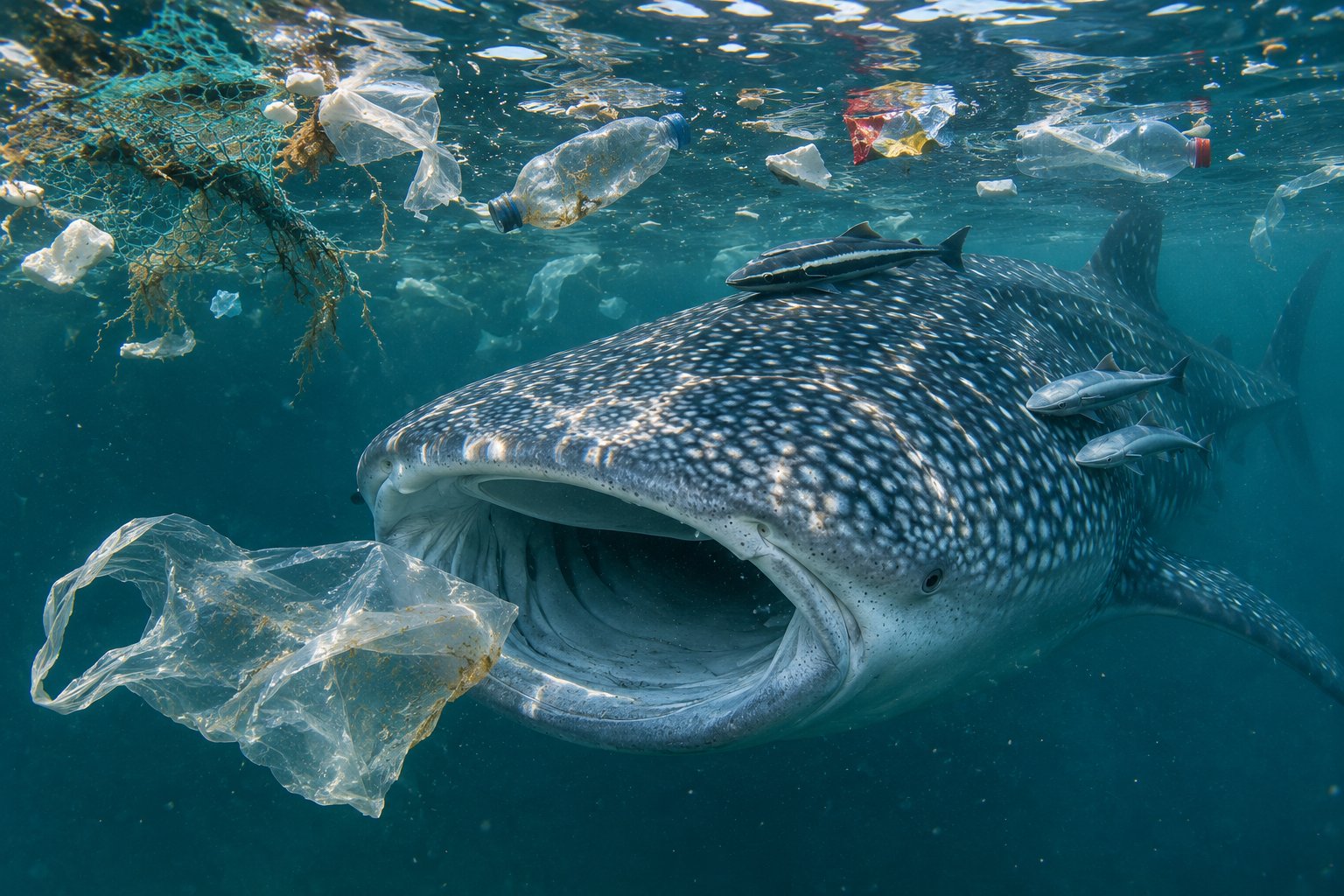
Be wary of certificates you cannot look up, and of claims that stop at the marketing page. Many brands use leafy icons or green tags on packaging, but a symbol is not evidence. Genuine sustainability information is specific, dated, and checkable.
How to Evaluate a Brand's Sustainability Claims
Use a simple, repeatable method:
- Find the specific claim. Write down exactly what the brand says, such as "made from recycled polyester".
- Ask what would prove it. A supplier list, a certificate number, or a published audit.
- Check the source. Look up the certifying body and confirm the certificate is current.
- Note what is missing. Silence on factories or wages is information too.
- Rate the evidence. Treat claims with proof as strong, and unsupported ones as unverified.
Apply the same steps to any brand you research, and keep notes so you can compare over time. For a fuller walkthrough, see how to check brand sustainability claims.
Deciding Whether to Buy from Quince
Whether Quince suits you depends on your priorities. If you mainly want low prices for occasional items, the brand may meet that need. If verified ethics and long-lasting quality matter most, check the evidence in the sections above before buying, and compare the price per wear rather than the initial cost.
The eb™ Scan App can help you do this research in one place, so you can see how a brand's claims are rated before you buy. You can download it and try it free, with no credit card needed, and decide later whether to subscribe. Download now and test the next brand on your list against the evidence.
Frequently Asked Questions
Is Quince considered a fast-fashion brand?
Quince is often discussed in terms of its prices and sales model. Whether it counts as fast fashion depends on the definition used. The key test is production speed and volume: fast fashion typically means frequent new collections, rapid trend cycles and high output. Readers should check whether the brand publishes verifiable data on order volumes, lead times and factory relationships, rather than relying on price alone to decide.
Is Quince an ethical or sustainable brand?
The answer depends on evidence, not on marketing language. Look for named factories, audit reports from independent bodies, clear labour standards and specific material data, such as the share of natural or recycled fibres. Vague statements about being conscious or responsible are not proof. If a brand cannot show where and how its garments are made, its ethical and sustainability claims should be treated as unverified until supporting documents are provided.
Is Quince clothing good quality and made to last?
Quality varies by product, so judge each item rather than the brand as a whole. Check fabric composition, stitching, lining and garment weight, and look for customer reviews that mention pilling, shrinkage or wear after several washes. Durability is best assessed through cost per wear: an item that lasts many seasons can justify a higher price, while one that loses shape after a few washes does not, whatever its label says.
How can you check whether a clothing brand’s sustainability claims are credible?
Start by asking what the claim specifically covers: a material, a process, a factory or the whole company. Then look for third-party verification, named certifications and published supply-chain information. Be cautious of broad terms such as eco-friendly or conscious without data behind them. Cross-check claims against independent reviews and assessments, and note whether the brand discloses information that could be unflattering, which is often a sign of genuine transparency.